Strong demand continues across the West End office market
Strong demand continues across the West End office market
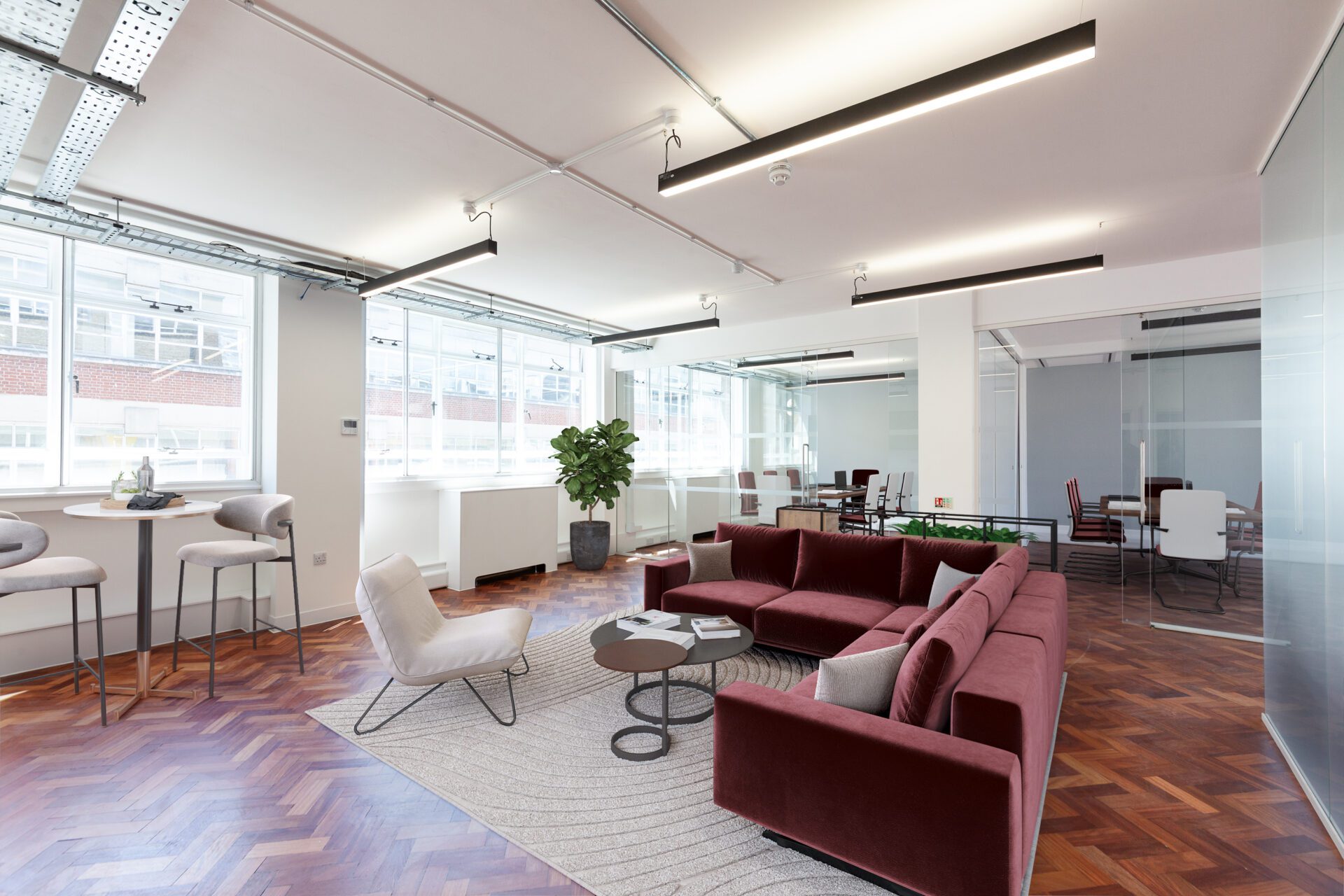
The West End office market is experiencing a clear and sustained revival – and only seems to be gaining pace. Demand for high quality, character‑led workspace continues to strengthen, driven by businesses prioritising environments that support wellbeing and collaboration.
In addition, businesses are no longer simply seeking square footage; they are seeking vibrant neighbourhoods that support culture, creativity and community which the West End supports more than any other location in the capital. This shift is reshaping leasing patterns across the district – from Marylebone and Soho to Fitzrovia and Mayfair – and reinforcing the West End’s position as London’s most resilient office market.
For The Langham Estate, this momentum underpins our recent £50m investment plan: a long‑term commitment to elevating the quality, flexibility, sustainability and amenity of our portfolio. Our ambition is to create workspaces that reflect how people want to work today, while preserving the heritage and character that define this part of the West End.
A broader mix of occupiers
Across the West End, the profile of occupiers is diversifying which has been interesting to witness first-hand. Creative and media firms remain a core strength – as they have done for decades but we are now seeing sustained interest and activity from fintech, technology, digital‑first businesses (which accounted for 51% of take-up in Q1 2026), and professional services. All are seeking high quality space in well‑connected, characterful neighbourhoods.
What is particularly notable is where these businesses have been relocating from over the last five years – the City & City fringe (12%), Midtown (12%), Mayfair & St James (24%) [Savills data] – in search of neighbourhoods that offer a more dynamic, culturally rich and cost‑effective alternative without compromising on connectivity or prestige.
Recent transactions across our portfolio reflect this trend and we have never seen such high demand across the board. We have this year completed lettings to commercial property agents, alongside a 2,000sq ft letting at Great Titchfield House to a technology company. Our beautiful heritage building at 75-77 Margaret Street which comprises, 24,539 sq ft over eight floors was almost fully let almost before it even hit the market.
There is now only 13% of space in the building left to let and works only completed a month ago – this is testament to our heritage refurbishment attracting quality tenants. Notably, we have attracted an award-winning digital market insights platform relocating from Soho, alongside an education group – dedicated to curating exceptional schools across Europe and beyond – relocating from Mayfair.
Finally, our most significant refurbishment project – 50 Eastcastle Street will deliver circa 50,000 sq ft of premium workspace across three expansive 25,000 sq ft, 12,000 sq ft and 8,000 sq ft floorplates – and is set to be one of the largest single office footprints of its scale and specification available in the West End in 2026. We are delighted to be receiving strong interest in the building from media and technology occupiers seeking flexible, design-led space at a competitive price point, including businesses not currently based in Fitzrovia.
Why the West End – and why now?
The answer lies in the changing priorities of modern occupiers. Businesses are placing far greater emphasis on environments that support wellbeing, collaboration and culture. Neighbourhoods with heritage buildings, independent retail, green pockets and a strong sense of community are outperforming more corporate, monolithic office districts.
The West End delivers this in abundance. Its vibrant streets, mix of creative and professional firms, and rich architectural character create a sense of place that staff value. Increasingly, even Mayfair‑based businesses are seeking a more progressive and expressive environment, one that still signals quality but feels more culturally aligned with their teams.
Our investment strategy is built around a simple principle: occupiers are customers. That means delivering a product and service that reflect the realities of today’s market and the expectations of modern businesses. This is not just about providing space; it is about curating an experience. From fitted and furnished options to enhanced end-of-journey facilities, we are designing buildings that reduce friction for occupiers and elevate the day‑to‑day experience for their teams.
How the market has evolved
Over the past decade, the West End office market has undergone a structural shift. Demand has moved decisively towards shorter, more flexible leases; fitted and furnished space; service‑led asset management; amenity‑rich buildings and community‑oriented environments.
Landlords have had to adapt. The days of offering a shell and expecting long leases are decidedly over. Today’s occupiers want agility, transparency and a landlord who understands their business, not just their square footage. This is where estates with a strong sense of place – and the ability to curate a cohesive neighbourhood experience – have a clear advantage. This aligns with what we are seeing on the ground: a resilient, experience‑driven market where quality, character and service are the key differentiators.
Looking ahead
The most successful landlords will be those who remain agile – responding quickly to changing occupier needs, investing in quality, and understanding that the office is no longer just a place to work, but a place to connect and belong. The West End is exceptionally well positioned for this future. Its blend of heritage, creativity and commerciality continues to resonate with a wide range of occupiers, and we will continue to invest and reinvest to ensure that our offer remains both relevant and attractive as the office evolution continues.