West End office market update: Trends, rents and demand in 2026
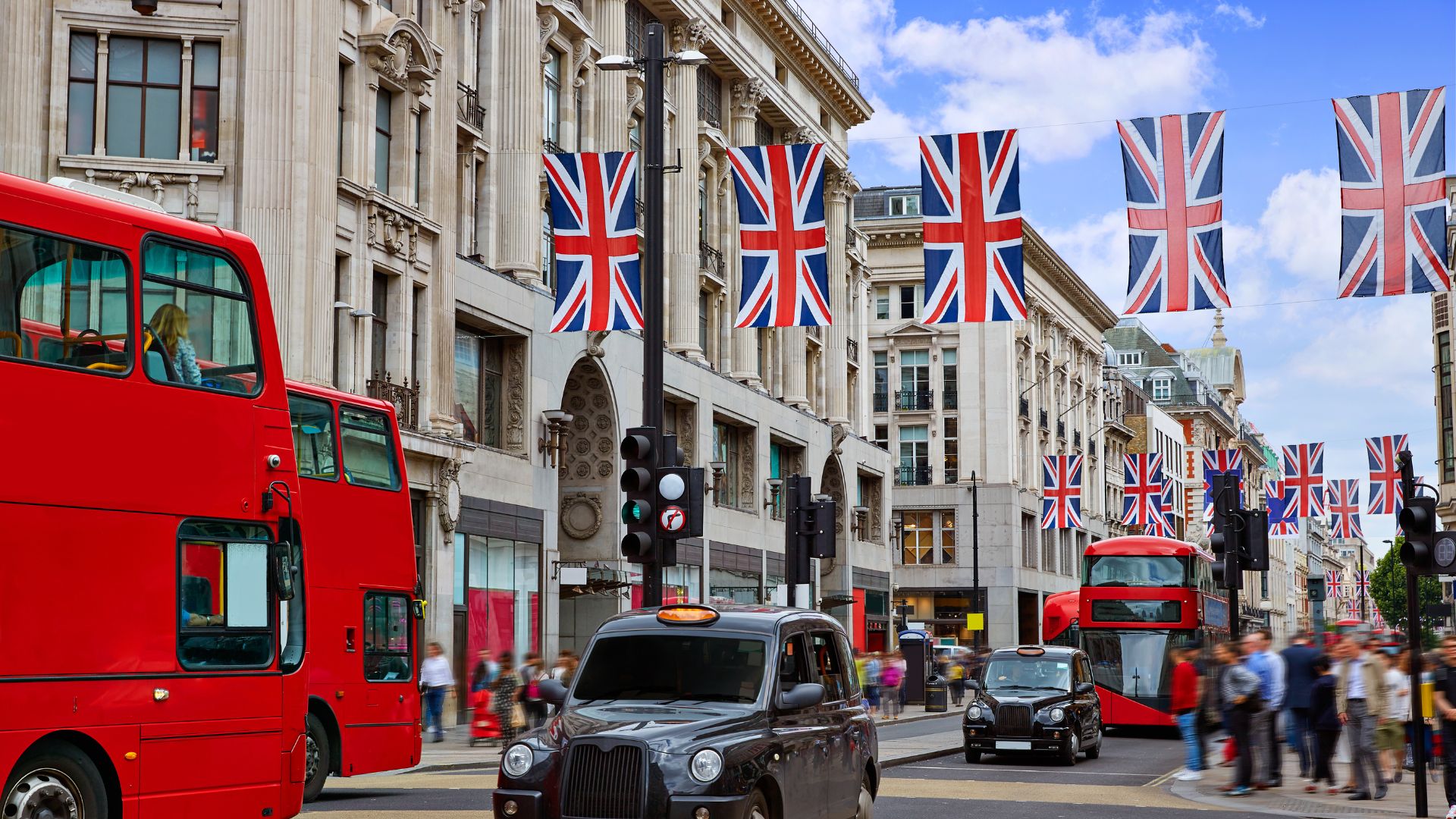
The West End office market in 2026 is moving fast. Prime rents are at record highs, Grade A vacancy in core submarkets has fallen to near zero, and occupiers are committing to space years ahead of schedule. For businesses planning their next move, understanding where the market stands has never been more important. Here is what the latest data shows.
What is happening in the West End office market in 2026?
The West End office market is navigating 2026 with a clear sense of direction: demand is resilient, supply is tightening, and the gap between the best and the rest continues to widen. Here is what the data shows.
A market built on resilience
The West End office market is entering 2026 from a position of relative resilience, underpinned by sustained occupier demand and continued upward pressure on rents for the best-quality space. Leasing across Central London reached 2.2 million sq ft across 152 transactions at the end of Q1 2026, up 6% on Q1 2025 and 1% above the ten-year long-term average, which is a clear signal of ongoing occupier confidence in the market. In the West End specifically, transactional activity recorded a steady 833,712 sq ft acquired in Q1, down just 1% on the same period last year.
A tale of two markets
Despite strong performance at the top end, the overall market remains selective. Activity remained polarised, with larger occupiers maintaining confidence while smaller-sized transaction volumes pointed towards greater levels of caution among SMEs. Sub-10,000 sq ft transactions were down 25% on the Q1 average – the lowest level since 2021. This divergence suggests that while occupier sentiment is broadly positive, smaller businesses are proceeding with greater caution amid ongoing macroeconomic uncertainty.
What lies ahead
Looking ahead, Savills is forecasting prime rental growth of 4.3% for the West End in 2026, based on the assumption of continued polarised occupier demand. Grade B rents, by contrast, are forecast to decline by 1.5% over the same period, reflecting the structural weakening of demand for lower-quality stock. With the development pipeline constrained and occupier preferences firmly anchored around sustainability and amenity, active demand for space across Central London reached a new record high of 14.6 million sq ft, 57% above the ten-year average, with almost half of all occupiers seeking to increase their footprint.
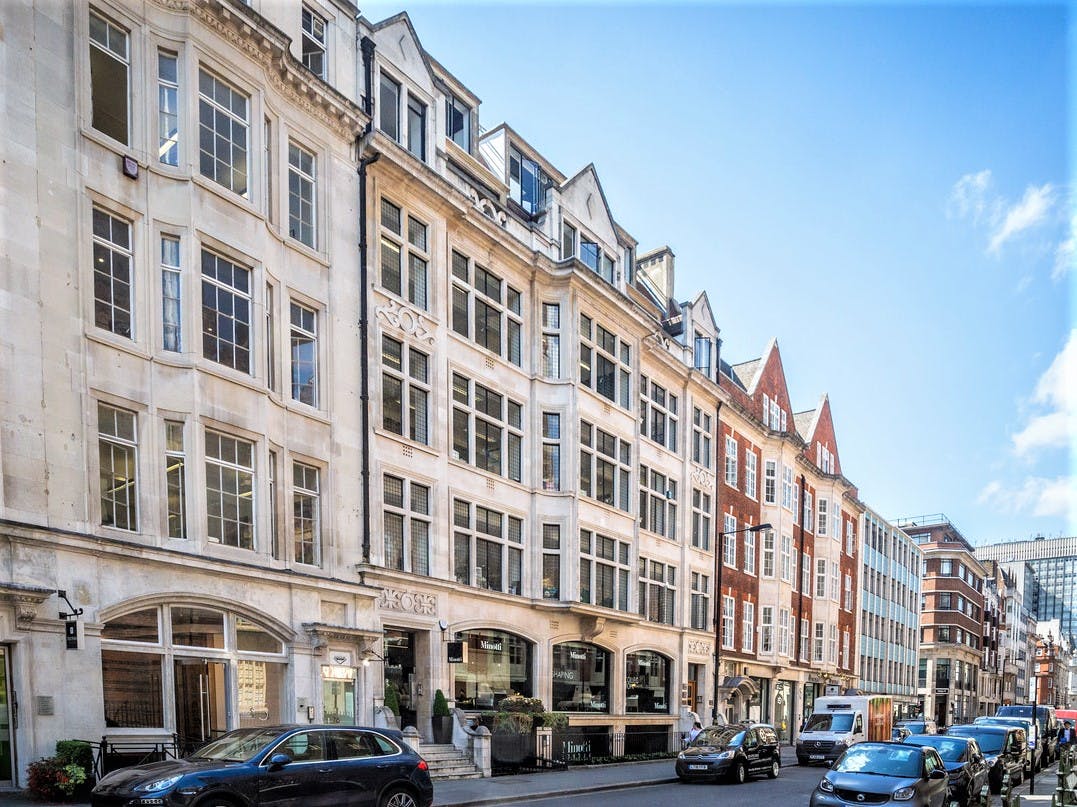
West End office rents in 2026: Current rates by submarket
Prime rents across the West End are at or near record levels, but the picture varies considerably depending on location.
Mayfair and St James’s: The premium tier
At the top of the West End rental hierarchy sit Mayfair and St James’s, where demand from financial services and private equity firms has pushed rents to levels unmatched anywhere else in London.
Prime rents in Mayfair and St James’s are currently between £1555 and £210+ per sq ft, reflecting an acute scarcity of super-prime assets and strong appetite among high-value occupiers in the finance and luxury sectors for the highest environmental credentials. For the most coveted floorplates, top rents on terraced floors in core West End locations have been firmly established at over £200 per sq ft.
Soho, Fitzrovia and Marylebone: The mid-market core
Further into the West End, submarkets such as Soho, Fitzrovia and Marylebone continue to attract a diverse mix of creative, media, technology and professional services occupiers. Soho and Marylebone have seen prime rents rise to around £135-£165 per sq ft, while Fitzrovia commands between £110 and £125 per sq ft. The submarket’s appeal is further reinforced by constrained supply: availability of new space in Mayfair, St James’s, Soho and Marylebone is now 30% below the ten-year average, and five West End submarkets now have vacancy rates below their long-run averages, compared with just one submarket a year earlier.
Victoria and Covent Garden: Competitive value
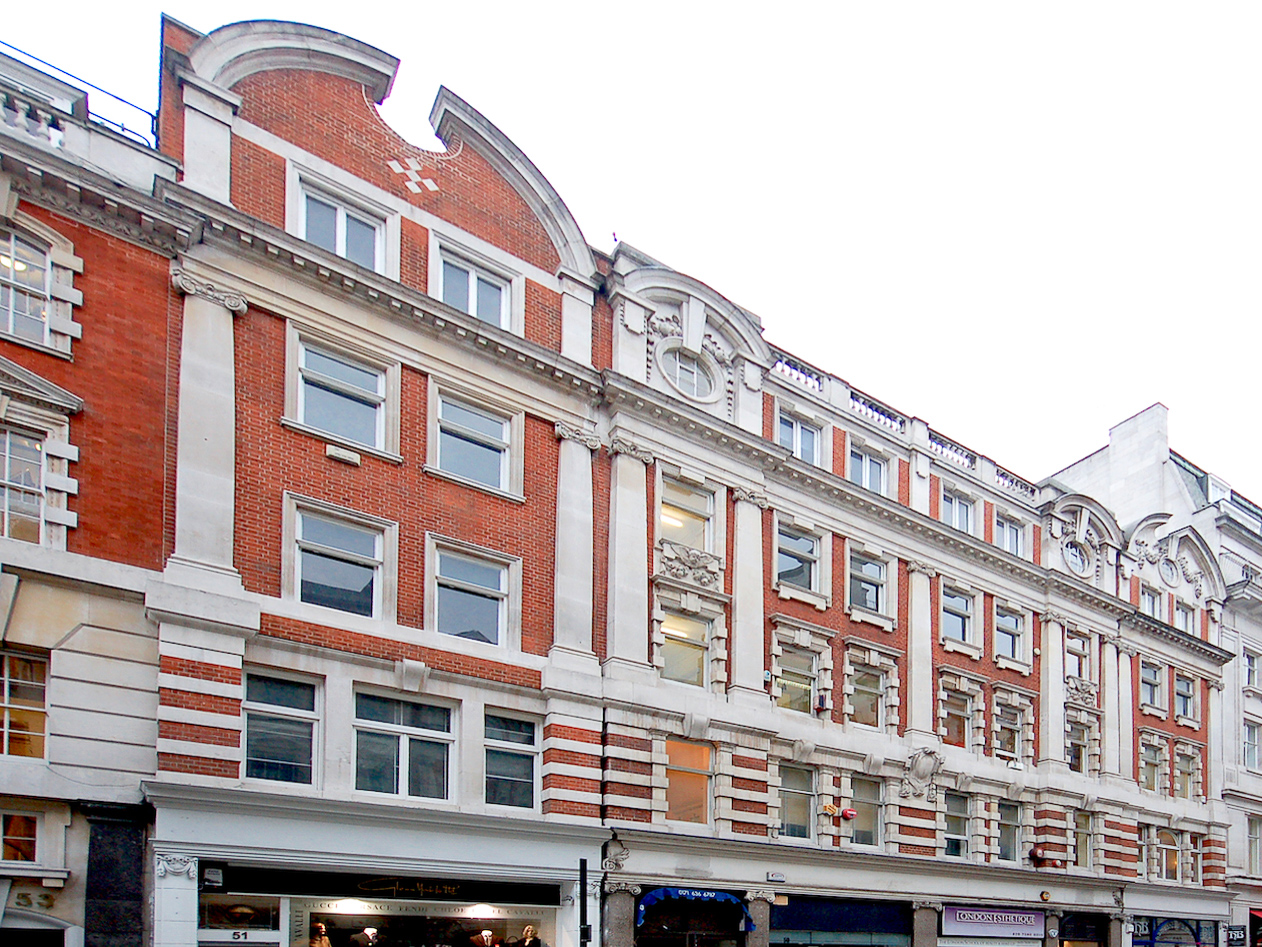
For occupiers seeking well-located West End addresses at a more competitive price point, Victoria and Covent Garden present a compelling case. Prime rents in Victoria range from £85 to £110 per sq ft, while Covent Garden sits at £110 to £142 per sq ft, supported by excellent transport connectivity and a growing stock of refurbished, amenity-rich buildings.
Why the demand for West End Office space remains strong
The maturing of hybrid work
One of the most significant shifts underpinning demand is the stabilisation of hybrid working patterns. Hybrid working has matured, and most organisations now have a clearer sense of how much space they need and what that space must enable. That shift is fuelling a sustained preference for energy-efficient, amenity-rich buildings that help people collaborate, focus and feel connected when they come into the office. The West End’s lifestyle offering reinforces this trend: weekday pedestrian counts in the West End were up 19% year-on-year in 2025.
ESG and regulatory pressure
Sustainability has moved firmly from a corporate aspiration to a decisive leasing criterion. Corporate tenants increasingly demand buildings to be rated with green certifications such as BREEAM Excellent, LEED Gold or EPC A, and the government’s tightening of energy-efficiency rules is accelerating the retrofit wave; buildings that fail to meet Minimum Energy Efficiency Standards could be unlettable by 2030. For occupiers making longer-term commitments, choosing a building that already meets or exceeds these standards is both a risk management decision and a statement of corporate values.
Financial services and tech are leading the way
Sector-specific demand continues to act as a structural support for the the office market in London, alongside with West End. The Insurance and Financial Services sector accounted for over 32% of West End take-up in 2025, with private equity firms among the most acquisitive occupiers. More recently, the technology sector has emerged as a growing force: the Tech and Media sector narrowly overtook the Insurance and Financial Services sector to account for the largest share of Q1 2026 leasing for the first time in six years. Together, these sectors represent a durable and broad base of occupier demand that shows little sign of weakening.
Grade A vs Grade B office space: What tenants are choosing
Grade A office space accounted for 92% of Central London take-up in Q1 2026, with demand predominantly focused on BREEAM-rated Excellent and Outstanding buildings, which together represented 53% of transactions.
This is not a new trend, it has been deepening for several years. By late 2025, around 70% of quarterly take-up was captured by Grade A offices, despite overall availability remaining elevated at close to 27.8 million sq ft. Secondary offices continue to experience weaker absorption, and the gap in leasing performance between modern, well-located buildings and older stock is expected to widen further into 2026.
Find your West End office with The Langham Estate
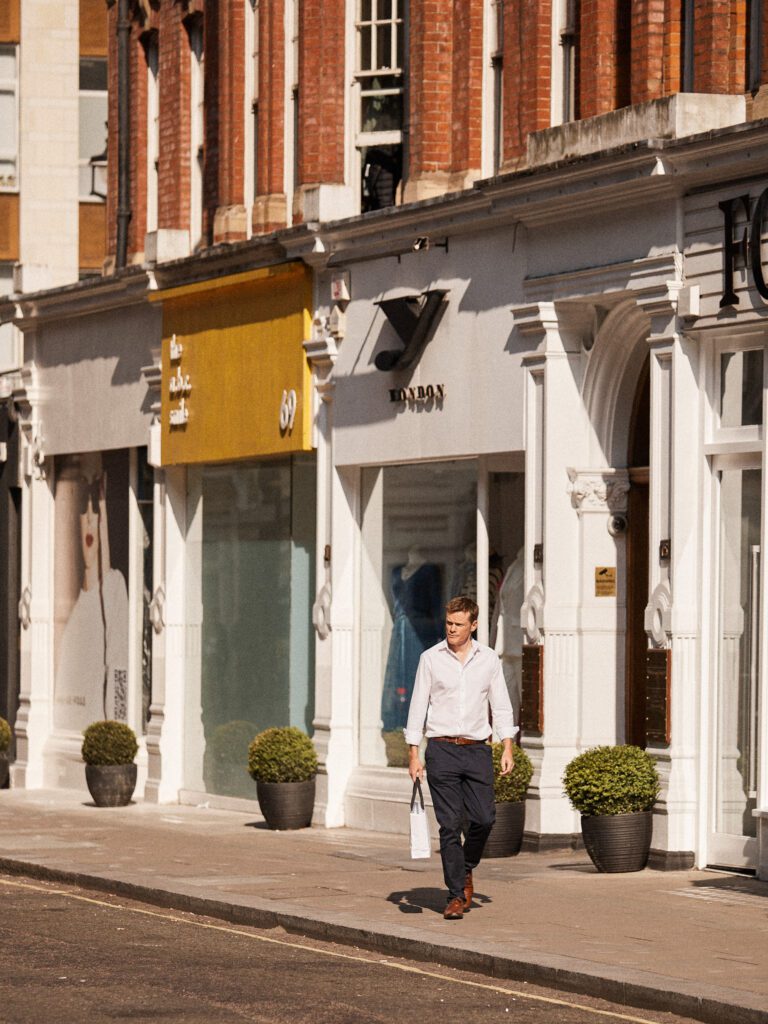
As the West End office market grows significantly, Fitzrovia has emerged as one of the most compelling choices in Central London without the super-prime price tags of Mayfair or St James’s.
The Langham Estate located in the heart of Fitzrovia, offers a diverse portfolio of office, retail, leisure, residential, and hospitality spaces. With hands-on property management, ongoing tenant support, and a strong understanding of the local market, the Langham Estate helps businesses secure well-located premises and navigate leasing considerations with greater confidence.
As the West End office market grows significantly, Fitzrovia has emerged as one of the most compelling choices in Central London without the super-prime price tags of Mayfair or St James’s.
The Langham Estate located in the heart of Fitzrovia, offers a diverse portfolio of office, retail, leisure, residential, and hospitality spaces. With hands-on property management, ongoing tenant support, and a strong understanding of the local market, the Langham Estate helps businesses secure well-located premises and navigate leasing considerations with greater confidence.