What is a green lease? A simple guide for UK landlords and tenants
The UK commercial property sector is entering a period of accelerated regulatory and market change, with approximately 40% of global carbon emissions, 35% of water use, and 35% of waste generation coming from buildings. This increases pressure on landlords and tenants to demonstrate measurable progress.
Against this backdrop, green leases are evolving into a practical mechanism for holding accountable and delivering credible decarbonisation outcomes.
What is a green lease?
A green lease is a lease agreement that includes specific clauses requiring both landlord and tenant to collaborate on improving a building’s environmental performance, such as energy use, waste management, and sustainability practices.
According to the Law Society in the UK (1), green leases support 4 pillars:
- Lower operational costs through energy efficiency
Green leases provide structured energy management practices that reduce unnecessary consumption and improve cost control. It sets an energy performance target and encourages investment in efficient systems such as high-efficiency HVAC equipment, smart lighting controls, and building management systems. This helps reduce utility costs through ongoing monitoring and optimisation.
- Improved ESG (environmental, social, governance) reporting
Green leases establish clear frameworks for data collection and performance tracking in energy use, carbon emissions, and resource consumption. This approach supports accurate ESG disclosures, which are increasingly required by investors, regulators, and corporate stakeholders.
- Stronger brand reputation
Managing space under a green lease signals a proactive commitment to sustainability and responsible business practices. To meet corporate ESG targets, landlords have to enhance their environmental performance, support brand differentiation, and contribute to long-term business resilience.
- Compliance with UK environmental regulations
Green leases support adherence to the UK regulatory frameworks, including Minimum Energy Efficiency Standards (MEES) and net zero carbon targets. This reduces penalties while ensuring properties remain aligned with future policy developments.
Why are green leases important for real estate?
Green leases create a practical framework for landlords and tenants to support sustainable upgrades. These upgrades include retrofitting and adaptive reuse, which can help extend building life, improve performance, and reduce embodied carbon.
Operational carbon is responsible for 28% of global greenhouse gas emissions. So the green leases help align both parties through shared responsibilities around energy use, fit-outs, and data sharing, making it easier to reduce emissions and protect long-term asset efficiency.
The different types of green leases
1. Light green leases
Light green leases focus on voluntary cooperation between landlords and tenants. These agreements often take the form of a Memorandum of Understanding (MoU), outlining shared sustainability intentions without legal enforcement.
2. Medium green leases
Medium green leases introduce defined responsibilities and measurable targets, such as energy efficiency benchmarks or data sharing protocols. They place greater emphasis on clear responsibilities for both parties with cost sensitivity.
3. Dark green leases
Dark green leases represent the most advanced type and require the highest level of investment. These are legally binding agreements with strict sustainability requirements and clear enforcement mechanisms.
5 benefits of green leasing for landlords and tenants
1. Reduces utility costs
Green lease provisions prioritise energy efficiency, water conservation, and waste reduction. This lowers operational expenditure for both landlords and tenants and improves long-term cost predictability.
2. Increases the attractiveness of a property
Green leases make properties more appealing to tenants and investors because they signal strong environmental performance and alignment with sustainability expectations. Buildings your sustainable office design (2) with clear energy management commitments are increasingly preferred in leasing decisions, as they support ESG goals and long-term operational efficiency.
3. Improves market reputation for landlords
For landlords, green leases enhance market reputation by demonstrating leadership in sustainable property management. This strengthens their competitive position in the real estate market and helps attract high-quality tenants, investors, and long-term occupancy demand.
4. Enhanced health and well-being for tenants
Tenants in buildings with green leases can take care of their well-being thanks to enhanced environmental features, such as improved air quality and natural light, which contribute to healthier indoor environments and better workforce productivity.
5. Improves ability to attract and retain talent
Increasing sustainability in the workplace, showcasing a green lease and its associated commitments, can help organizations attract and retain talent. Because a sustainable and healthier working environment also improves employee satisfaction and well-being, which reduces turnover and encourages long-term commitment to the organisation.
Common misconceptions about green leases
1. Green leases are legally mandatory
It is not a legal requirement in the UK. Green lease provisions are included in commercial leases to support better environmental performance. While not compulsory, green leases are becoming more common as landlords and tenants are proactively addressing climate targets and investor scrutiny.
2. Green leases only focus on energy
Green leases cover far more than energy use alone. It often includes clauses on water efficiency, waste reduction, sustainable fit-outs, refurbishment standards, and data sharing between landlord and tenant. You can also know more about the office recycling solutions (3) for a modern workplace and boost up the energy.
3. Tenants always pay for improvements
In most green leases, landlords typically cover the costs of major upgrades, especially those related to building structure or systems, while the lease terms define how costs are shared between both parties.
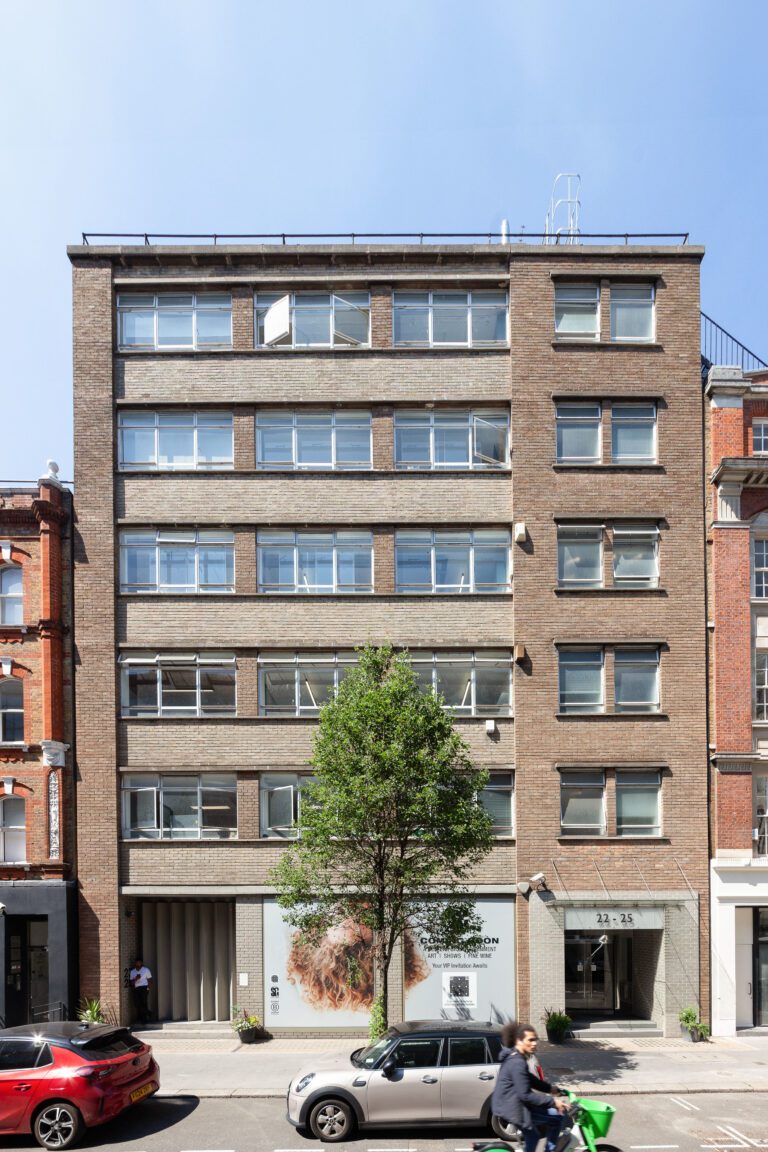
Discover leasing opportunities with The Langham Estate
Green leasing is not a legal add-on, but a structured way to simplify collaboration and improve outcomes across the estate.
At The Langham Estate, we’re committed to fostering a safe, inclusive, and supportive environment for landlords and tenants alike. This approach demonstrates a practical commitment to decarbonisation and provides tenants with greater transparency, efficiency, and alignment with long-term sustainability goals. Please join us in creating a greener one.
You can view The Langham Estate’s Environmental & Sustainability Policy (4) here. We’re committed to transparency and will provide regular updates on our progress.
Please contact us for more information, we’d be happy to help.
Green leasing is not a legal add-on, but a structured way to simplify collaboration and improve outcomes across the estate.
At The Langham Estate, we’re committed to fostering a safe, inclusive, and supportive environment for landlords and tenants alike. This approach demonstrates a practical commitment to decarbonisation and provides tenants with greater transparency, efficiency, and alignment with long-term sustainability goals. Please join us in creating a greener one.
You can view The Langham Estate’s Environmental & Sustainability Policy (4) here. We’re committed to transparency and will provide regular updates on our progress.
Please contact us for more information, we’d be happy to help.