What does dilapidations mean? A practical guide for UK commercial tenants

Dilapidation (in some cases) is a word many commercial tenants only discover when a lease is coming to an end – often when the landlord serves a claim for repair, redecoration or reinstatement costs. In some cases, those claims can run into tens or even hundreds of thousands of pounds, and may exceed a full year’s rent.
This guide explains what dilapidations means in plain English, why it matters from the day you sign your lease, and the practical steps UK office tenants can take to reduce risk before, during and at the end of their tenancy.
What does “dilapidations” actually mean?
In simple terms, dilapidations refers to the repairs, redecoration, reinstatement or other property-related works that a landlord says a tenant is responsible for under the terms of a commercial lease.
The word can sound technical, but the idea is straightforward: when you rent a commercial property, you usually agree to look after it, repair it, decorate it, and return it in a certain condition at the end of the lease. If the landlord believes you have not done that, they may make a dilapidations claim.

What can dilapidations include?
A dilapidation claim is not limited to obvious damage. It can cover a wide range of issues linked to the condition and handback of the premises, including:
- repairing damaged walls, ceilings, floors, doors or fixtures
- redecorating the office before lease expiry
- replacing worn or damaged carpets
- removing tenant-installed partitions, meeting rooms or kitchen areas
- reinstating the original layout if alterations were made
- dealing with mechanical, electrical, heating or air-conditioning issues
- clearing rubbish, signage, cabling or tenant equipment
- professional fees and, in some cases, loss of rent while works are carried out
Understanding dilapidations is important since most office tenants do not take a lease with the intention of causing damage or leaving behind a problem. But dilapidations is not always about neglect. Often, it is about lease wording.
A tenant may have maintained the office reasonably well throughout the term, but still face a claim because the lease requires more than “reasonable” condition. For example, an FRI lease, or full repairing and insuring lease, can place wide repairing responsibilities on the tenant. That may include obligations that go beyond day-to-day use of the space.
What can a dilapidation claim actually cover?
A typical schedule of dilapidations may include several categories of alleged breaches.
Here are some important areas of claims, and what do they mean in practice:
- Repairs: Fixing damage or disrepair to walls, floors, ceilings, doors, windows, fixtures, fittings or services
- Redecoration: Repainting walls, doors, skirting boards, ceilings or other decorated surfaces before handback
- Reinstatement: Removing alterations made by the tenant and returning the property to its original layout or condition
- Removal or fit-out: Taking out partitions, meeting rooms, kitchenettes, signage, cabling, furniture or tenant-installed equipment
- Mechanical and electrical works: Addressing issues with lighting, air conditioning, heating, ventilation, power or other building systems
- Cleaning and clearance: Removing rubbish, abandoned items, redundant cabling or branding from the premises
- Professional fees: Surveyor, legal or project management fees incurred by the landlord in preparing and pursuing the claim
*Important: A claim is not always the final amount payable.
A schedule of dilapidations is the landlord’s position. It is not always the amount the tenant must ultimately pay.
The claim may include items that are disputed, overstated, unnecessary, or limited by law. For example, if the landlord intends to substantially refurbish or redevelop the premises, some claimed repair works may not reflect the true loss suffered.
This is why tenants should not simply accept a schedule of dilapidations at face value. It should be reviewed carefully against:
- the lease wording
- any schedule of condition
- licences for alterations
- repair and maintenance records
- the actual condition of the premises
- the landlord’s future plans for the property
- the legal limits on what can be recovered
💡 Did you know? A dilapidations claim can legally exceed an entire year’s rent. For a mid-size West End office or central London workspace, that could run to £50,000–£200,000+ depending on the scope of works required. Getting advice early is almost always cheaper than disputing a claim at the end.
Protecting yourself before you sign the lease
The best time to reduce dilapidations risk is before the lease is signed, not when you are preparing to move out. This is also the stage to understand wider lease questions, such as can landlord raise rents, how rent reviews work, and what repair obligations you are accepting. Clear advice at the beginning can help you avoid costly surprises later.
Start by reading the repairing covenants carefully with your solicitor. These clauses set out what you must repair, maintain, decorate and reinstate. Do not assume the property is in “good condition” simply because the lease says so. If there are existing defects, they should be clearly recorded and dealt with before you commit.
1. What is an FRI lease?
FRI means Full Repairing and Insuring. In plain English, it usually means the tenant takes responsibility for the cost of repairs, maintenance and insurance, rather than the landlord.
FRI leases are common in UK commercial office lettings. The key risk is that tenants may become responsible for issues that existed before they moved in, unless the lease is properly limited by a Schedule of Condition.
2. What is a Schedule of Condition?
A Schedule of Condition is a written and photographic record of the property’s condition at the start of the lease. It should be prepared before occupation and attached to the lease.
Its purpose is simple: to stop you being required to return the property in a better condition than it was in on day one. Without one, you could face liability for historic defects you did not cause. Always use an independent chartered surveyor where possible.
There are three main types of dilapidations schedules, depending on when they are served:
- Interim Schedule of Dilapidations (During the lease term): Used if the landlord believes the tenant is not keeping the property in repair while still occupying it.
- Terminal Schedule of Dilapidations (Near the end of the lease): Served shortly before lease expiry to identify works the landlord wants completed before the tenant leaves.
- Final Schedule of Dilapidations (After the lease has ended): Sets out the landlord’s claim after the tenant has vacated, often including repair costs, reinstatement, fees and possible loss of rent.

Received a schedule of dilapidations? Follow these steps
Under the Dilapidations Protocol, tenants are usually expected to respond within 56 days of the landlord’s Quantified Demand, and that response should address the claim in proper detail.
Step 1 – Don’t panic, but don’t delay
Check the date received, diarise the response deadline, and avoid sending a rushed acceptance or informal “we disagree” email.
Step 2 – Instruct a dilapidations surveyor
A specialist surveyor can review the claim item by item against any Schedule of Condition and prepare a formal response, often using a Scott Schedule.
A surveyor can also advise whether Section 18(1) of the Landlord and Tenant Act 1927 may limit the landlord’s recovery. For example, if the landlord plans to redevelop or significantly refurbish the property, the full cost of works may not reflect the landlord’s actual loss.
Step 3 – Gather your records
Collect maintenance invoices, photographs, licences to alter, Schedule of Condition documents, contractor reports and landlord correspondence.
Step 4 – Don’t start works blindly
Some works may be unnecessary, overstated, or affected by the landlord’s future plans. Poorly handled repairs can also create further disputes.
Step 5 – Negotiate
Most claims are resolved through negotiation. The Protocol encourages parties to exchange information and avoid litigation where possible.
Step 6 – Consider Section 18
Section 18(1) may cap repair damages where the claimed cost exceeds the reduction in the landlord’s property value.
Thinking about office space in Central London?
Dilapidations is something every commercial tenant should understand before signing a lease – not after handing back the keys. The good news is that the risk is manageable with the right advice, clear records and a proper understanding of your lease obligations from day one.
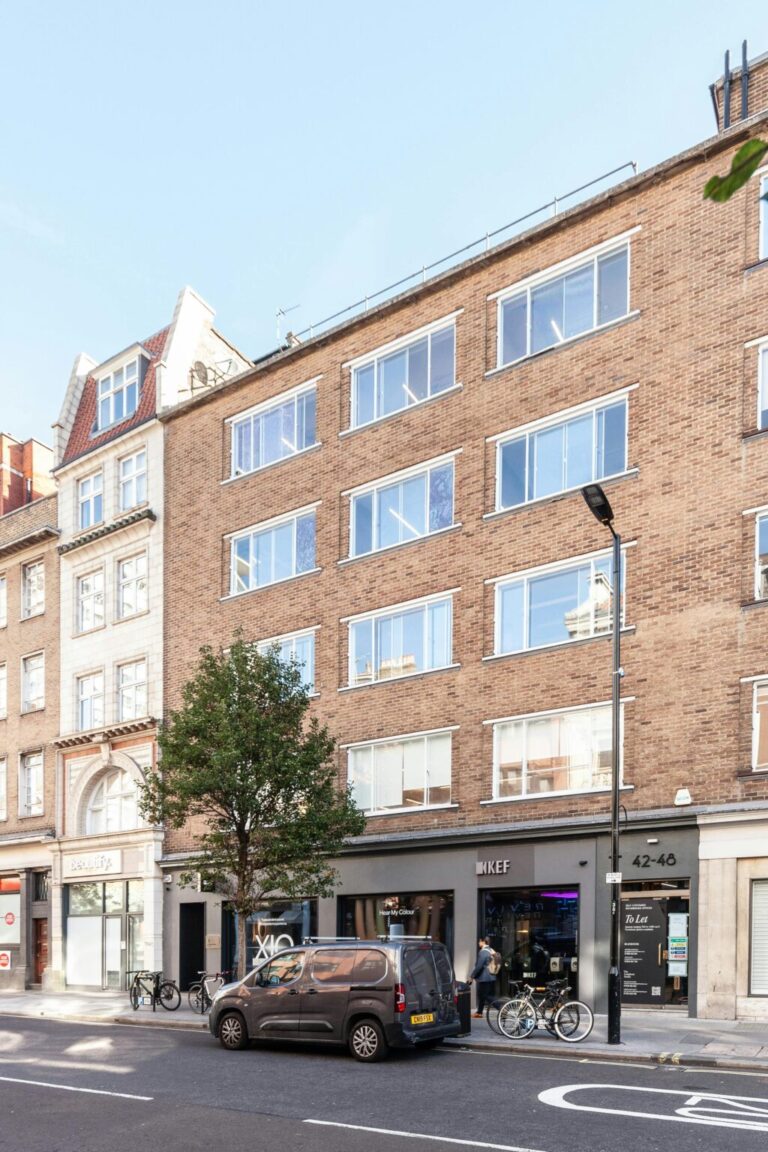
The Langham Estate manages 14 acres of commercial office space in Fitzrovia, central London, and is committed to transparency throughout the leasing process. We believe tenants have a better experience when they understand their responsibilities clearly from the start.
Dilapidations is something every commercial tenant should understand before signing a lease – not after handing back the keys. The good news is that the risk is manageable with the right advice, clear records and a proper understanding of your lease obligations from day one.
The Langham Estate manages 14 acres of commercial office space in Fitzrovia, central London, and is committed to transparency throughout the leasing process. We believe tenants have a better experience when they understand their responsibilities clearly from the start.
FAQs
Who pays for dilapidations?
The tenant may have to pay if they have breached repair, decoration or reinstatement obligations in the lease. However, the landlord’s claim is not automatically the final amount due. It should be checked against the lease, evidence, any Schedule of Condition and the legal limits on recoverable loss.
Can a landlord claim dilapidations if they are refurbishing the property?
Yes, but refurbishment plans may affect the value of the claim. A landlord cannot always recover the full cost of works if those works would be superseded by refurbishment or redevelopment. Section 18(1) of the Landlord and Tenant Act 1927 can limit repair damages to the reduction in the landlord’s property value.
Should I do the repairs myself before leaving?
Not without professional advice. Some repairs may be required under the lease, but others may be unnecessary, overstated or affected by the landlord’s future plans for the property. If you carry out works without checking the Schedule of Dilapidations, lease terms and likely claim position, you could spend money on works that do not reduce your liability.
How can a dilapidations surveyor help?
A dilapidations surveyor reviews the claim against the lease, property condition and supporting evidence. They can challenge overstated costs, identify items you are not responsible for, prepare a formal response and negotiate with the landlord’s surveyor.