How to save money on office rent in Central London
London office rent is rarely just the monthly figure on the lease. Empty desks, unused meeting rooms, business rates and fit-out costs can quietly push the real cost much higher. The good news is that cutting office costs does not always mean moving to a cheaper postcode or squeezing more people into less space.
The smarter approach is to look at how the office is actually being used, then find where the money is going to waste. Here are practical ways to save money on office rent in London without making the workplace harder to run.
1. Estimate how many desks you actually need
Desk space is usually one of the biggest factors affecting how much office space you pay for, so counting every employee as one permanent desk can leave you renting space that sits empty.
A practical way to count this is to review attendance over four normal working weeks, then find the number of people present on your busiest day. If you employ 30 people but only 18 to 22 normally attend at the same time, planning around 30 permanent desks may give you more space than you need.
Another option is to spread office days across the week. Asking different teams to attend on different days reduces peak demand and can allow you to take a smaller office without leaving people searching for a desk.
2. Avoid paying for the wrong location
Location can change office rent considerably, even between neighbouring prime central London districts. Areas such as Mayfair, Soho, Marylebone and Fitzrovia all offer strong central locations, but rental levels can vary significantly between them.
Start by looking at where your employees and clients actually travel. If Fitzrovia provides the connectivity and accessibility your business needs, choosing office space here may offer better value than paying higher rents in nearby areas, without compromising on a prime central London location.
Demand across the West End office market (1) has been shifting toward exactly these character-led neighbourhoods, which gives you more choice outside the most expensive postcodes without losing connectivity.
3. Check the full cost of your office
A conventional office advertised at a lower rent may still cost more once you have moved in. Ask exactly which costs sit outside the quoted figure before comparing different office options.
For a leased office, you may have to budget separately for business rates and building service charges. You can also have responsibility for furniture, internet, cleaning and ongoing maintenance depending on the agreement.
Create one monthly figure for every property you view. If one office costs £8,000 in rent but requires another £3,000 each month to operate, compare the full £11,000 against alternatives rather than treating £8,000 as the real cost.
4. Check your business rates before signing
Business rates can add a substantial amount to the cost of occupying a London office. The 2026 revaluation increased office rateable values by an average of 14%, although the amount individual occupiers pay also depends on the relevant multiplier, supplements and reliefs.
Ask for the property’s rateable value during your office search and check how the figure translates into your expected bill. This prevents you finding out about a larger annual liability after agreeing to the rent.
Smaller businesses should also check whether any business rates relief applies to the property and their circumstances. Do this before budgeting rather than assuming the advertised office price includes rates.
5. Stop renting meeting rooms you rarely use
A large private boardroom may sound useful when you first choose an office, but it becomes expensive floor space when your team only uses it twice each month.
Check the booking history for every meeting room you currently have. If a room remains empty most of the week, using bookable shared meeting rooms can reduce the amount of private space you need to rent.
Instead of paying permanently for a twelve-person room, you could take a smaller private office and book a larger meeting space only when a client meeting or team session requires it.
6. Reduce storage before you reduce working space
Old furniture, archived files and unused equipment can quietly increase the size of office you need. Look through your cupboards and storage areas before deciding that your team needs another 200 or 300 square feet.
Start with items that nobody has used during the last year. Move records to appropriate digital or external storage where practical and dispose of equipment that no longer serves the business.
The goal is to pay for space where people work rather than space that stores items nobody needs each week.
7. Ask about a smaller office in the same building
Moving to a different part of London may not be necessary if your current office is simply too large for your team.
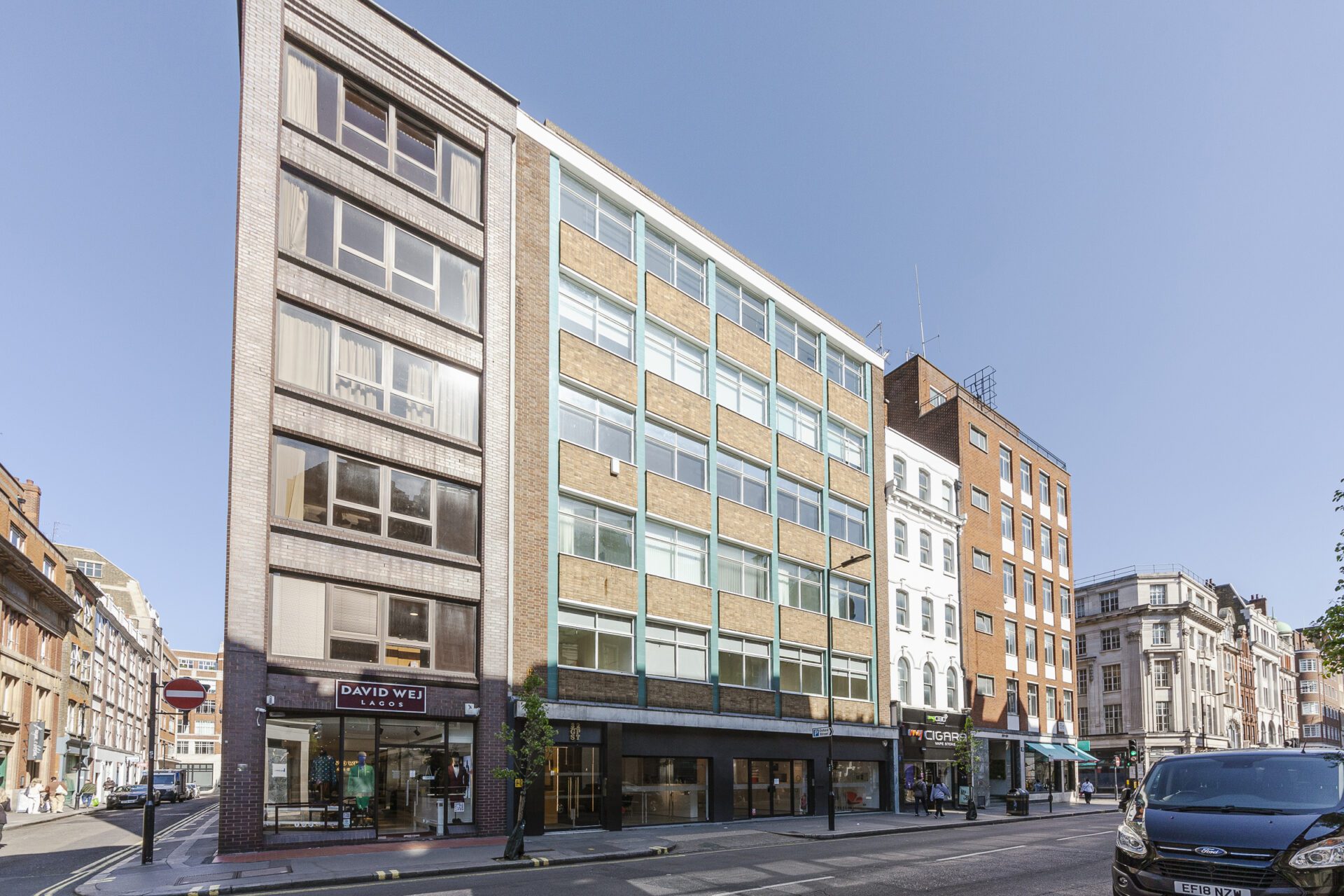
If your building offers offices or floors of different sizes, you may be able to move into a smaller space while keeping the same business address and avoiding a full relocation. Buildings with different floor sizes under one roof, such as 50 Eastcastle Street (2), can make this easier because you may be able to move into a smaller or larger space without leaving the building.
. Check what your agreement lets you change
Office requirements rarely stay fixed for several years. Headcount can increase, hybrid attendance can fall and the amount of client space you need can change.
Instead of committing to more space because you might hire people later, check whether you can take additional desks or move into another office if your team grows. This lets you pay for your current requirement rather than funding future capacity before you need it.
The same applies when your team becomes smaller. A flexible agreement that allows you to reduce your space can prevent you from paying for empty desks for the remainder of a long lease.
11. Look at your cost per used desk
Monthly rent alone can hide how inefficiently you use the office.
Suppose one office costs £10,000 each month and contains 30 desks. That appears to cost about £333 per desk, but the calculation changes if only 18 desks are regularly occupied.
Your effective cost becomes about £556 per used desk. A smaller office costing £8,000 for 22 desks may therefore give you a better use of your budget even though its advertised rate per desk appears higher.
Use actual attendance when making this calculation. Empty desks still cost money.
12. Check which services you are paying for twice
Businesses sometimes pay their office provider for a service and then buy the same service separately.
Internet is a common example. The building may already provide suitable connectivity, while the company continues paying for another connection because nobody reviewed the original agreement.
Go through your office invoice and check what is included. If reception, cleaning or meeting room discounts already form part of your monthly payment, make sure your team is using them before paying another supplier.
A checklist to save money on office rent in London
Before committing to another office, check these points:
- Count attendance on your busiest day rather than using total headcount
- Compare total monthly occupancy costs instead of headline rent
- Check the property’s business rates
- Review the amount of private meeting space you really use
- Remove unnecessary storage before taking a larger office
- Compare several London districts that still work for your team
- Ask about smaller offices before leaving your current building
- Check what services the monthly price already includes
- Confirm whether you can increase or reduce space later
- Calculate the cost per desk that your team actually uses
- Review renewal terms before you run out of time to negotiate
Find flexible office space with The Langham Estate
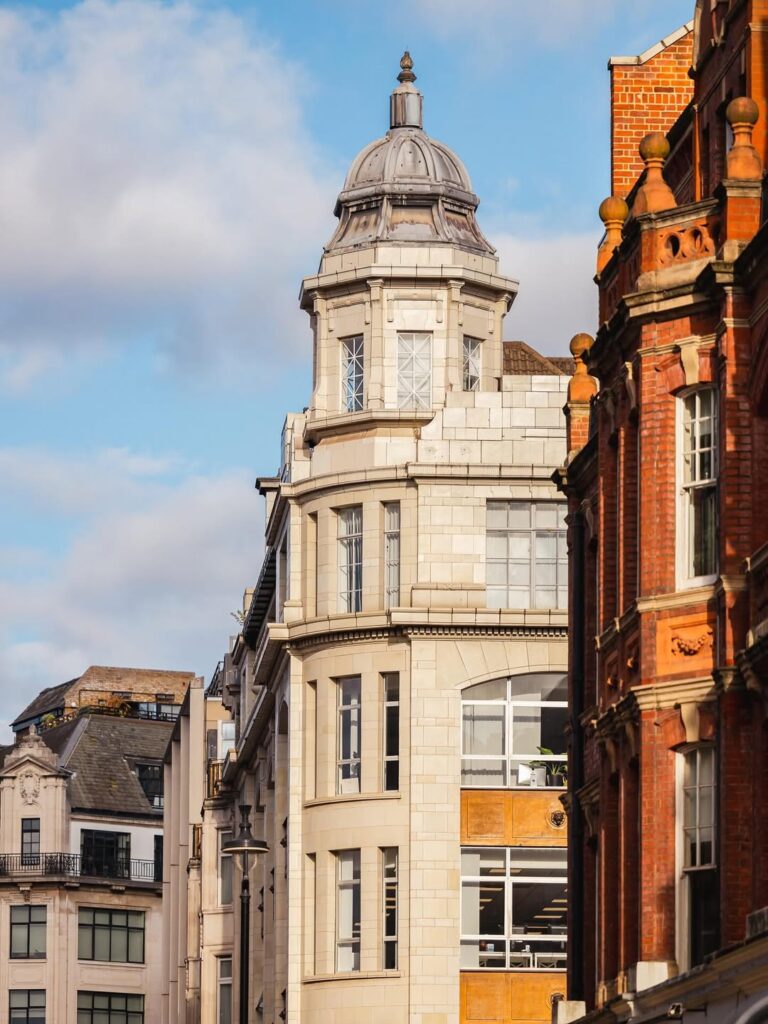
If cutting office costs matters more than the postcode on your letterhead, The Langham Estate is worth a look. Across its 11.3-acre estate, you can find newly refurbished traditional office spaces in a range of sizes, helping you choose a workspace that fits your current needs while retaining room to grow as your business expands.
If cutting office costs matters more than the postcode on your letterhead, The Langham Estate is worth a look. Across its 11.3-acre estate, you can find newly refurbished traditional office spaces in a range of sizes, helping you choose a workspace that fits your current needs while retaining room to grow as your business expands.
References
- West End office market update: Trends, rents and demand in 2026
- Introducing 50 Eastcastle Street