How to survive office burnout? 7 practical ways to recover and prevent it

Feeling exhausted before the working day has even begun, struggling to concentrate on familiar tasks or finding little satisfaction in work that once felt rewarding can all be warning signs of office burnout.
However, recognising the warning signs is only the beginning. Understanding what causes burnout, making practical changes to daily working habits and creating a more supportive office environment can help employees recover and organisations reduce the risk of it recurring.
![]63-65 Mortimer Street](https://langhamestate.com/wp-content/uploads/2025/03/logo63-65-Mortimer-Street_01-1024x683.jpg)
What is office burnout?
Office burnout is a state of work-related exhaustion associated with chronic workplace stress that has not been successfully managed. Unlike temporary tiredness after a demanding week, burnout can affect employees’ motivation, attitudes towards work and sense of professional achievement.
It is characterised by three main dimensions [1]:
- Exhaustion: Persistent feelings of physical or emotional depletion.
- Cynicism: Increasing negativity or mental distance from work and professional responsibilities.
- Reduced professional efficacy: A declining sense of confidence, accomplishment or effectiveness at work.
Burnout is recognised as an occupational phenomenon rather than a medical condition. However, persistent symptoms should not be ignored, particularly when they begin affecting everyday functioning.
Read more: Top 10 best countries with high work-life balance in 2026
What are the signs of office burnout?
The signs of office burnout often develop gradually, making them easy to overlook during particularly busy periods.
- Persistent exhaustion: Feeling drained throughout the day, even after resting
- Difficulty concentrating: Taking longer to complete familiar tasks or making frequent mistakes
- Reduced motivation: Losing interest in projects or daily responsibilities
- Increased frustration: Becoming impatient with colleagues or routine requests
- Social withdrawal: Avoiding conversations, meetings or team activities
- Declining confidence: Questioning professional abilities or achievements
Experiencing one of these symptoms does not necessarily indicate burnout. However, when several warning signs persist, employees should consider seeking appropriate support rather than dismissing them as normal workplace pressure.
What causes office burnout?
Office burnout rarely results from a single difficult project. It often develops when workplace demands consistently exceed the time, resources or support available to employees.
Common contributing factors include:
- Excessive workloads: Unrealistic deadlines, competing priorities and expectations to remain available outside working hours.
- Limited autonomy: Having little control over schedules, responsibilities or working methods.
- Insufficient support: Unclear expectations, limited managerial feedback or difficulties communicating workplace concerns.
- Poor workplace relationships: Ongoing conflict, isolation or a lack of collaboration between colleagues.
- Unsuitable office conditions: Constant noise, inadequate workstations or limited spaces for focused work and breaks.
These factors reflect several recognised areas of work-related stress, including demands, control, support, relationships, role and organisational change [2].

7 practical strategies for employees to recover from office burnout
Recovering from office burnout involves recognising personal limits, allowing sufficient time for recovery and seeking support where necessary. Although employees cannot independently resolve every source of workplace stress, the following seven strategies can help them manage their wellbeing and reduce the risk of recurring exhaustion.
1. Identify personal sources of workplace stress
Understanding which aspects of work contribute most significantly to stress is an important starting point.
Keeping a brief record of stressful situations, recurring challenges and changes in energy levels can help identify patterns. This provides a clearer understanding of which pressures may be manageable individually and which require additional workplace support.
2. Establish realistic priorities and professional boundaries
Managing competing responsibilities requires clear priorities and achievable expectations.
Employees can develop more sustainable working habits by:
- Prioritising essential tasks: Organise responsibilities according to urgency and importance.
- Managing workloads: Break larger assignments into manageable stages and reserve time for focused work.
- Setting working hours: Establish clear boundaries between professional responsibilities and personal time.
- Limiting unnecessary communication: Reduce non-essential work messages outside agreed working hours.
3. Incorporate regular breaks into the working day
Working continuously without sufficient breaks can contribute to fatigue and reduced concentration. Employees should incorporate short interruptions into their routines, such as:
- Taking brief walks or stretching between tasks.
- Spending lunch breaks away from their workstations.
- Using breakout areas within flexible office environments for rest or informal interaction.
4. Prioritise adequate rest and personal recovery
Recovery outside 9-5 hours is essential for maintaining physical and psychological wellbeing. Consistent sleep routines, regular physical activity and time spent on enjoyable personal interests can help employees recover from demanding working periods.
Taking annual leave when appropriate and reducing unnecessary work-related communication during personal time can provide opportunities to disconnect from professional responsibilities.
5. Communicate workplace concerns and seek appropriate support
When workplace demands become difficult to manage, employees should raise specific concerns with their line managers, human resources representatives or occupational health professionals.
6. Recognise when professional assistance is necessary
When exhaustion, emotional difficulties or declining motivation persist despite attempts to manage workplace stress, professional guidance may be necessary.
A qualified healthcare professional can help you assess persistent symptoms, identify possible underlying health concerns and recommend appropriate support.
How can businesses prevent office burnout in the long term?
While individual recovery strategies can help employees manage burnout, businesses need long-term prevention to address the organisational conditions that contribute to chronic workplace stress.
1. Manage workloads and organisational stress risks
Excessive workloads and unrealistic expectations can contribute to sustained workplace stress. Businesses should regularly review working practices and take practical measures to prevent employees from becoming overwhelmed:
- Assess workloads: Review staffing capacity, task distribution and competing responsibilities.
- Set realistic expectations: Establish achievable deadlines and clearly defined responsibilities.
- Provide adequate resources: Ensure employees have the time, equipment and support needed to complete their work.
- Conduct stress risk assessments: Identify recurring organisational pressures and implement appropriate improvements.
2. Provide flexible working arrangements where appropriate
Flexible working arrangements can give employees greater control over their schedules and responsibilities. Depending on operational requirements, businesses may consider:
- Flexible working hours: Allowing employees to adjust start and finish times where practical.
- Hybrid working: Combining remote and office-based work according to business needs.
- Clear communication boundaries: Establishing expectations for availability and contact outside working hours.
The physical workplace should also accommodate changing attendance patterns. The Langham Estate provides fitted, serviced and adaptable office spaces across Fitzrovia, allowing businesses to assess accommodation suited to their preferred working arrangements.
3. Give employees spaces for different types of work
Spending the entire working day at the same workstation can contribute to fatigue, particularly when employees face frequent interruptions. Providing separate areas for focused work, meetings and informal interaction allows teams to use spaces appropriate to their activities.
The Langham Estate offers flexible office spaces with different layouts and facilities. Businesses can also choose between blank canvas and fitted offices, depending on whether they want to configure their own working environment or occupy an existing layout. These options can help organisations accommodate individual work, collaboration and changing operational requirements.
4. Improve physical comfort throughout the working day
An uncomfortable office can add to everyday workplace pressures. Businesses should prioritise natural light, effective ventilation, appropriate temperature control and comfortable workstations, alongside areas where employees can take breaks away from their desks.
The Langham Estate’s 50 Eastcastle Street presents a substantial headquarters opportunity, offering 45,627 sq ft of newly refurbished office accommodation in Fitzrovia. Its generous floorplates allow businesses to plan dedicated areas for individual work, meetings and collaboration, while extensive natural light, high ceilings and modern ventilation systems contribute to a comfortable working environment for larger teams.
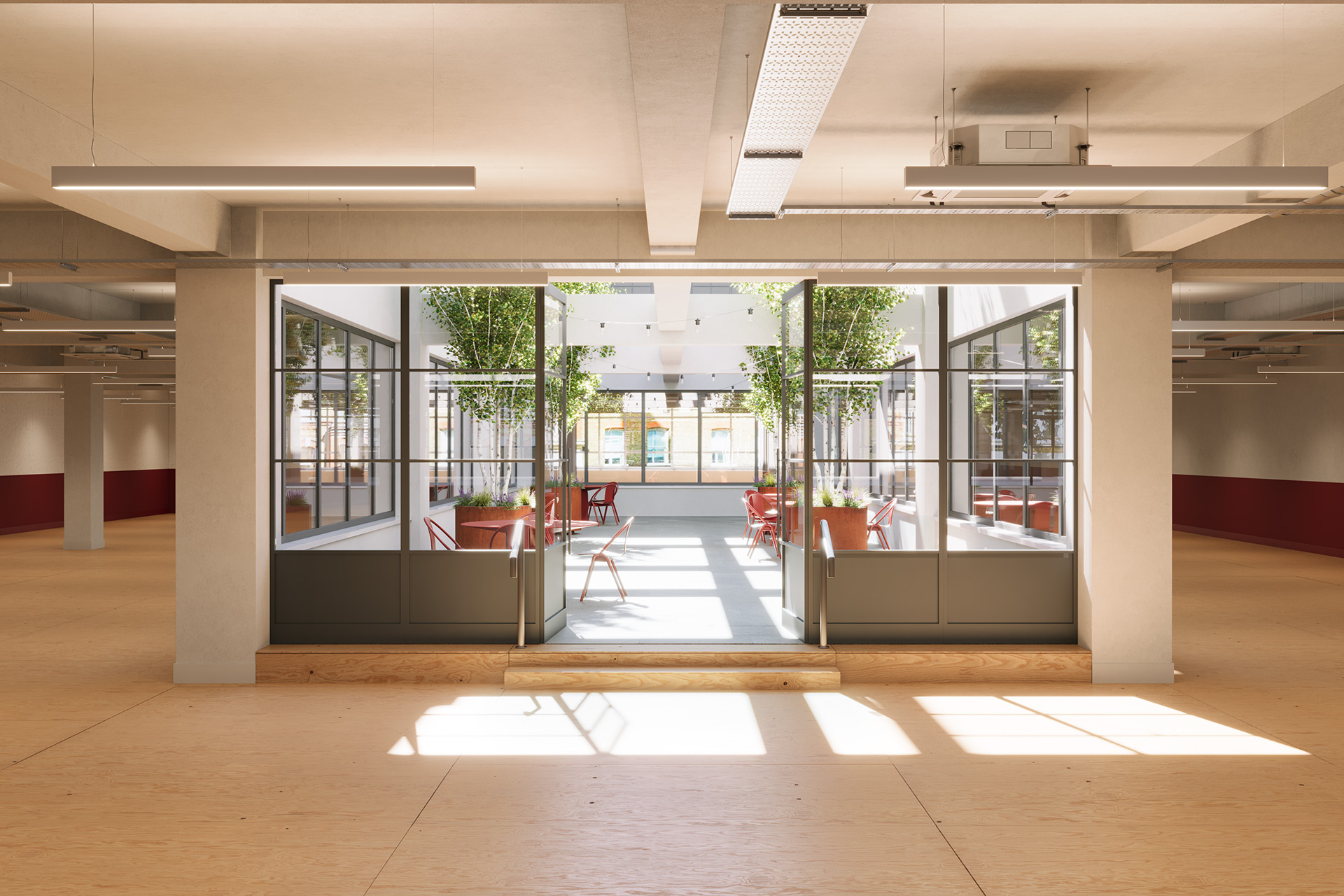

Create a healthier workplace with The Langham Estate
A supportive workplace requires effective organisational practices and office facilities that meet employees’ needs. The Langham Estate offers office accommodation across Fitzrovia and London’s West End, with options for businesses seeking premises better suited to their team sizes, working arrangements and operational requirements.
Explore office spaces in Central London with The Langham Estate to find premises that support your organisation’s current needs and long-term business objectives.