What is period office and how it affects modern business
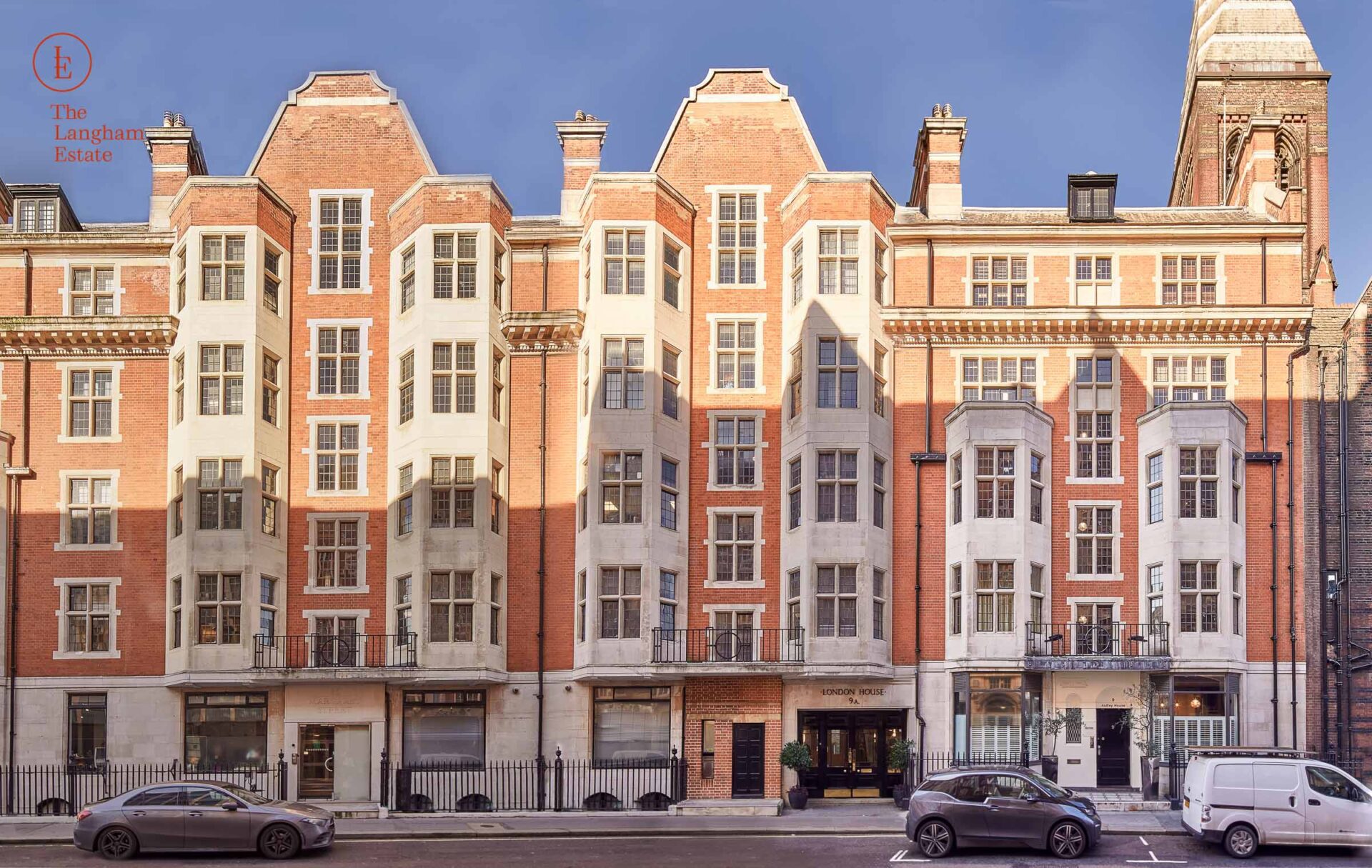
Period office spaces in London are becoming an increasingly attractive choice for businesses looking beyond standard workplace environments (1).
They offer something that newer developments often cannot replicate: architectural character, a sense of place and a more distinctive working environment. The appeal is not only in high ceilings, large windows or traditional details, but in how these buildings can be adapted to support modern ways of working.
In Fitzrovia, heritage buildings sit alongside modern businesses, independent cafés, and established commercial spaces, offering a distinctive Central London location where businesses can benefit from historic character while staying connected to the wider West End.
What is a period office?
A period office refers to a workplace located within a historic building that retains architectural features from an earlier era. In Fitzrovia, these buildings often date back to the 18th and 19th centuries, where original features such as high ceilings, sash windows, fireplaces, ornate façades, timber floors and traditional staircases create a distinctive working environment.
Modern period offices must combine heritage features with contemporary requirements, creating environments that support both a business’s identity and its teams’ practical needs.
Across London, period properties have been carefully adapted into contemporary workplaces (2), allowing businesses to benefit from distinctive architecture while still accessing the facilities, technology and flexibility expected from modern offices.
How a period office affects your brand’s identity
For many businesses, an office is a place where employees complete daily tasks. It is also a reflection of company culture, values and brand identity.
Period offices often provide a more distinctive setting through their original architectural details and traditional layouts with unique proportions and features that create a memorable environment for both employees and visitors.
These elements help create a workplace with a stronger sense of identity, offering an alternative to standard commercial developments where spaces can often feel more uniform.
Choosing a period office for your business
The most important consideration when choosing a period office is whether the building includes reliable technology infrastructure, private meeting areas, collaboration spaces, flexible layouts and facilities that support changing work patterns.
Research found that many organisations are redesigning workplaces to support new ways of working, including more activity-based spaces and improved workplace experiences. This highlights the importance of adapting existing buildings to meet modern expectations rather than focusing only on their historic appeal (3).
Not every historic building will suit every business. When evaluating a period office, companies should consider how the property aligns with their operational needs, workplace expectations and future plans.
Location and accessibility
Location remains one of the most important considerations when choosing an office. Businesses should consider how easily employees and visitors can access the building, the availability of nearby transport links and whether surrounding amenities support the daily needs of the team.
A well-connected location can improve the overall workplace experience while making it easier for businesses to welcome clients and collaborate with partners.
Building condition and facilities
The character of a period office should be balanced with practical workplace requirements. Beyond architectural appeal, businesses should consider existing facilities, connectivity, comfort levels and whether any improvements may be required to support their operations.
A thoughtfully refurbished period building can provide the benefits of historic character while meeting the expectations of a modern workplace.
Layout and future requirements
The right office should support how a business operates today while allowing flexibility for future changes. Companies should consider whether the layout can accommodate different working styles, team growth and changing workplace needs.
Understanding different office design ideas (4) can help businesses identify ways to balance historic features with practical requirements when planning a distinctive workplace.
Period vs modern office: Which suits your business?
If your business prioritises brand identity and workplace experience, a period office can provide a more memorable setting through original features, unique layouts and a sense of history.
Meanwhile, companies with highly technical requirements or a preference for large, open-plan spaces may find modern developments better suited to their needs.
However, the difference between period and modern offices is becoming less defined. Through thoughtful refurbishment, many historic buildings can now offer contemporary facilities, flexible layouts and technology infrastructure while preserving their original character.
| Consideration | Period office | Modern office |
|---|---|---|
| Character and identity | Original architectural features and distinctive designs create a more unique workplace | Contemporary designs with a more consistent corporate appearance |
| Layout | Often features varied floorplates and unique proportions | Typically designed around modern open-plan layouts |
| Workplace experience | Provides a strong sense of place and connection with the neighbourhood | Often prioritises efficiency, amenities and purpose-built facilities |
| Adaptability | Can be adapted through refurbishment while retaining heritage features | Usually designed with modern workplace requirements from the beginning |
For businesses considering different workplace options, understanding how flexible office spaces (5) can support changing needs may help when comparing different commercial environments.
Why Fitzrovia is ideal for period office spaces
Located between Oxford Circus, Great Portland Street and Tottenham Court Road, Fitzrovia provides convenient access to major transport links and an alternative to larger commercial districts while maintaining a distinctive neighbourhood atmosphere through independent cafés, restaurants, galleries and creative businesses.
This combination of heritage buildings, local amenities and a central location makes this urban-village neighborhood particularly appealing for businesses that want their workplace to reflect their identity.
Businesses exploring commercial properties in Fitzrovia can benefit from being part of an established Central London neighbourhood with strong connections to employees, clients and the wider business community.
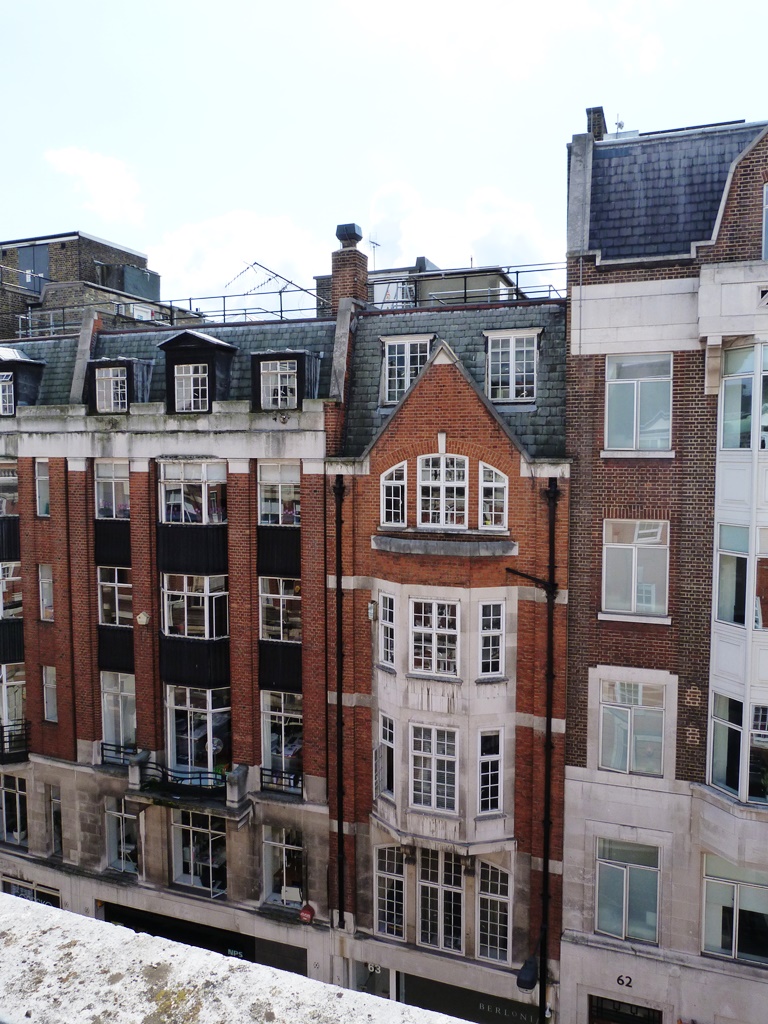
Find a period office space in Fitzrovia
Langham Estate offers distinctive period office spaces across Fitzrovia and the wider West End, giving you the opportunity to work from heritage buildings with modern workplace facilities. With characterful designs, direct estate management and prime Central London locations, you can create a workplace that reflects your business identity.
Langham Estate offers distinctive period office spaces across Fitzrovia and the wider West End, giving you the opportunity to work from heritage buildings with modern workplace facilities. With characterful designs, direct estate management and prime Central London locations, you can create a workplace that reflects your business identity.