Best London areas for fintech companies: Where to find the right fintech offices in London

Choosing the right fintech offices in London involves far more than finding available desk space. Some fintech businesses prioritise proximity to established financial institutions, while others prefer neighbourhoods that blend finance with technology, innovation and creative industries. Businesses focused on financial institutions may prioritise the City or Canary Wharf, while startups seeking close ties to London’s technology ecosystem often favour Farringdon. Companies combining finance, AI, innovation and professional services increasingly find that the Tottenham Court Road Corridor, Tottenham Street and Great Portland Street provide one of the strongest combinations of connectivity, talent access and premium flexible workspace in Central London.
This guide explores the best London areas for fintech companies and explains why each location continues to attract startups, scale-ups and international financial technology businesses.
Top London areas for fintech companies
The City of London: the traditional heart of financial services

For businesses working closely with banks, institutional finance and capital markets, the City remains one of the strongest locations for fintech offices in London.
Immediate proximity to financial institutions
The City houses many of London’s largest:
- investment banks
- commercial banks
- trading firms
- legal practices
- financial consultancies
- insurance companies
For fintech firms selling directly into financial institutions, this creates daily opportunities for client engagement.
Excellent transport connectivity
Major stations including Bank, Liverpool Street, Moorgate, Cannon Street and Fenchurch Street make commuting straightforward from almost every part of London.
This accessibility benefits both employees and visiting clients.
Farringdon: London’s fintech growth corridor
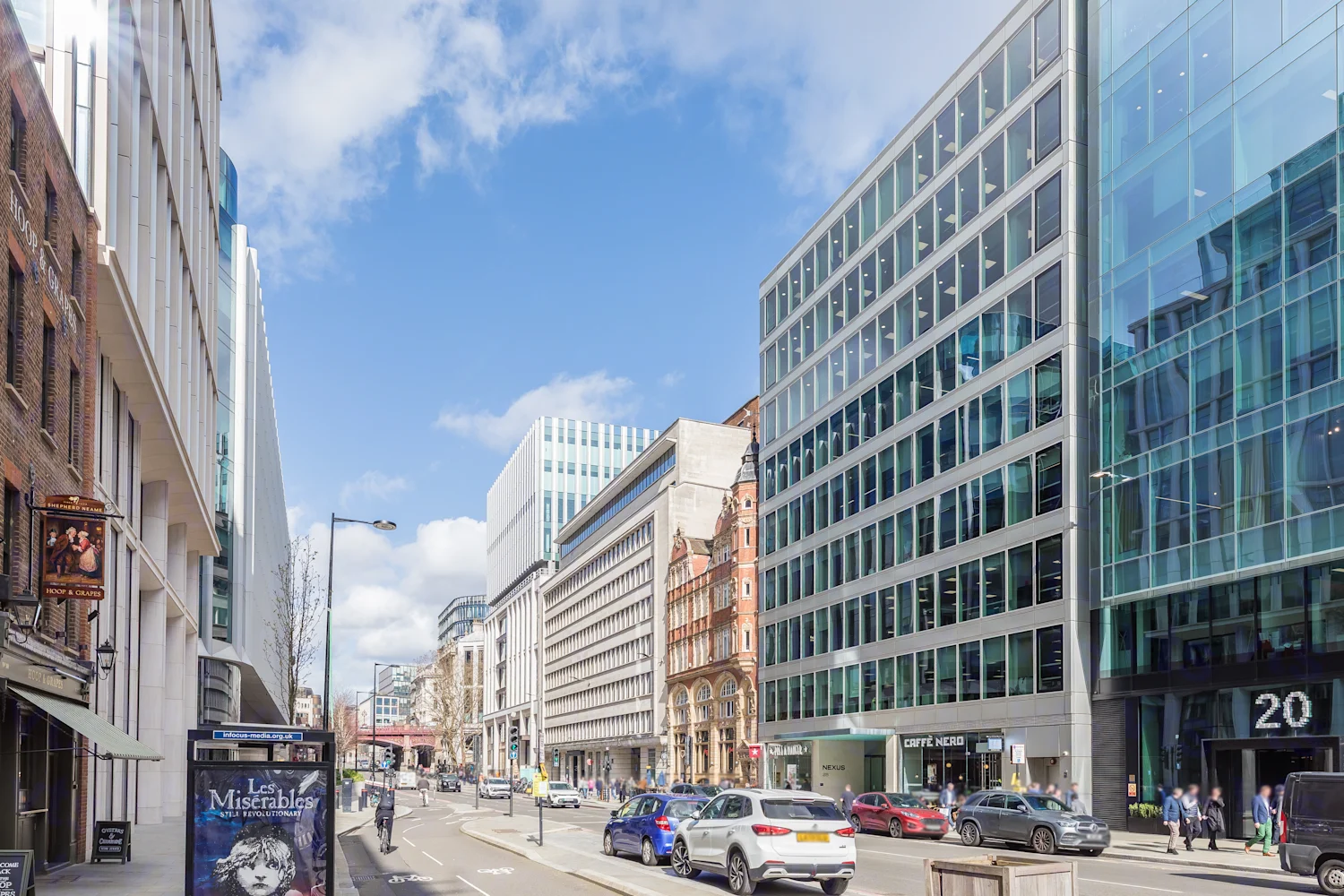
Over the past decade, Farringdon has become one of London’s fastest-growing fintech destinations.
Its unique location between the City and London’s technology districts gives fintech companies access to both financial services and innovation communities.
Bridging finance and technology
Farringdon sits within easy reach of:
- City of London
- Clerkenwell
- Old Street
- Shoreditch
- Holborn
This positioning allows fintech businesses to engage with financial institutions while remaining connected to London’s startup ecosystem.
Outstanding Elizabeth line connections
Transport has become one of Farringdon’s biggest competitive advantages.
Direct services provide fast access to:
- Liverpool Street
- Canary Wharf
- Paddington
- Heathrow Airport
- King’s Cross St Pancras
This makes national and international business travel significantly easier.
Tottenham Court Road corridor and Great Portland Street: where fintech meets innovation
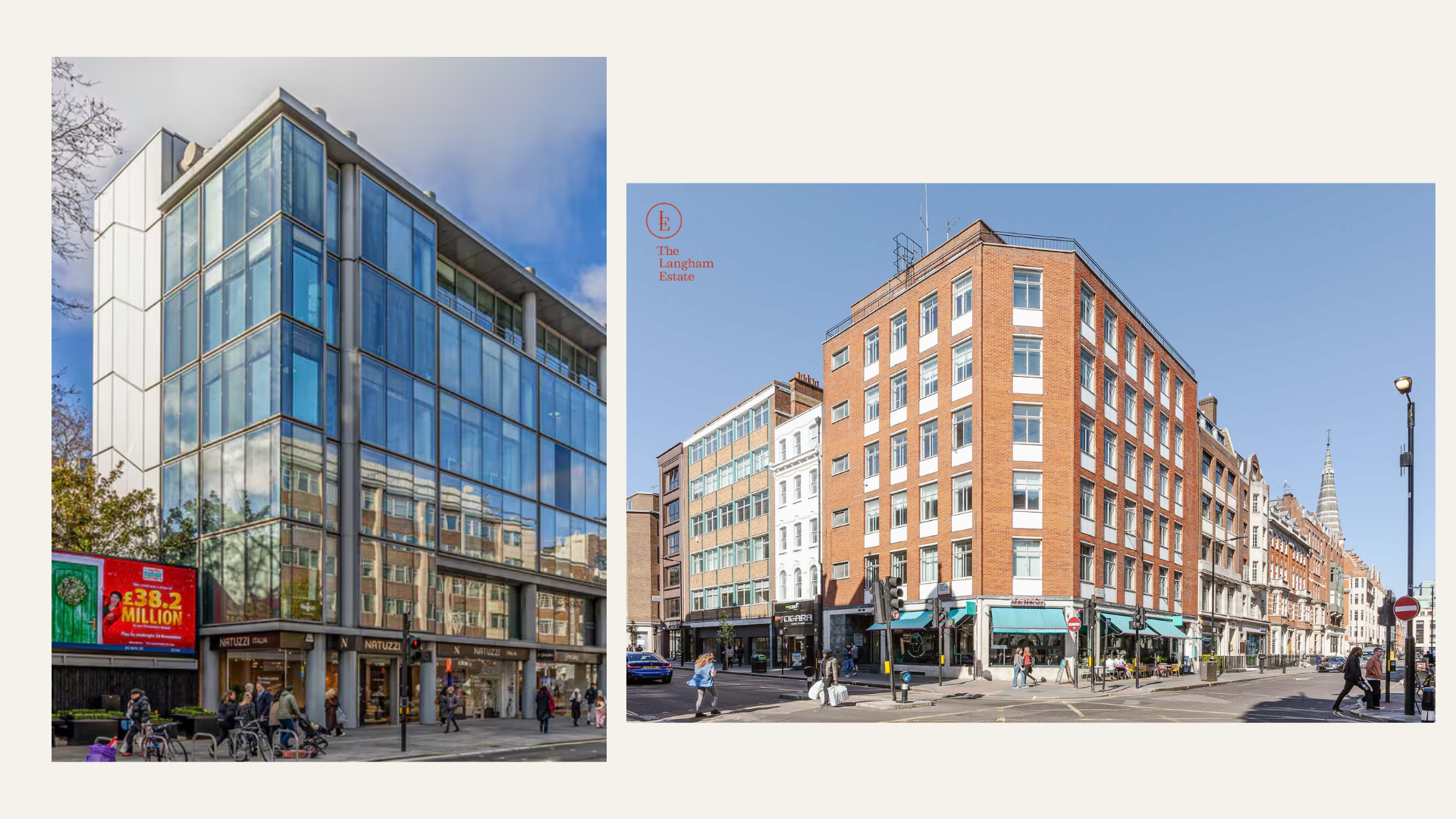
One of the most strategic but often overlooked locations for fintech offices in London is the Tottenham Court Road Corridor, Tottenham Street and Great Portland Street.
This district sits at the intersection of London’s West End, Fitzrovia, Bloomsbury and the Knowledge Quarter, creating a highly attractive environment for fast-growing fintech businesses.
A strategic position between finance, technology and professional services
Unlike districts focused solely on finance or technology, this corridor offers convenient access to several of London’s key business hubs.
Teams can easily reach:
- the City of London
- Mayfair
- Soho
- King’s Cross
- Farringdon
- Holborn
This central location supports businesses working across financial services, legal, consulting and technology sectors.
Exceptional transport for employees and clients
The arrival of the Elizabeth line has transformed connectivity around Tottenham Court Road. Combined with the Northern, Central and Elizabeth lines, businesses enjoy fast journeys across London while providing direct links to Heathrow Airport. Great Portland Street, Warren Street, Goodge Street and Euston Square stations further strengthen accessibility for employees commuting from different parts of the capital.
Besides, this area close to University College London (UCL), the Francis Crick Institute and the Knowledge Quarter also provides access to research partnerships and highly skilled graduates.
Canary Wharf: ideal for enterprise fintech businesses
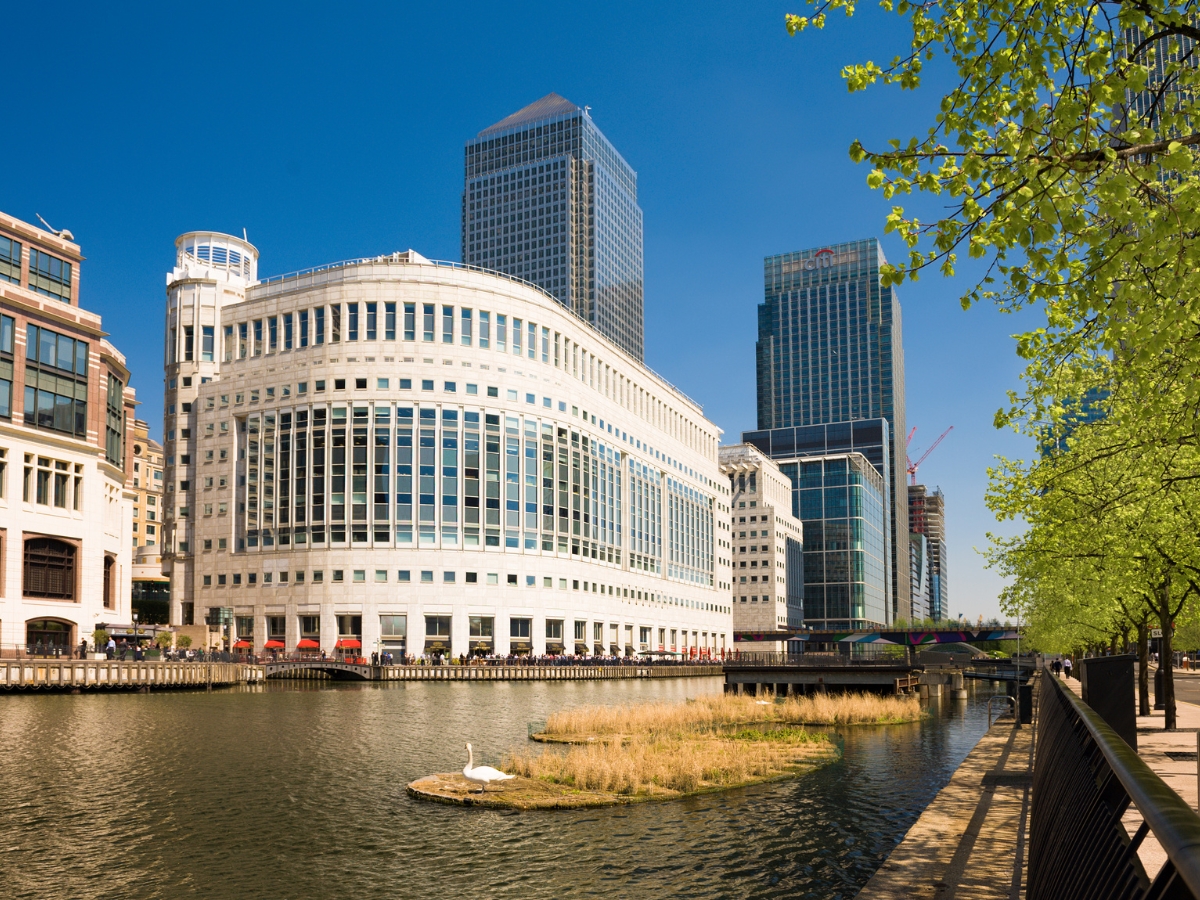
Canary Wharf continues to attract fintech companies working with major financial institutions.
Close relationships with global banks
Many of the world’s leading financial organisations maintain headquarters in Canary Wharf.
This creates opportunities for fintech companies specialising in:
- enterprise software
- payments
- banking technology
- compliance
- cybersecurity
- wealth management solutions
High-quality office environment
Canary Wharf offers modern commercial buildings with large floorplates suitable for expanding businesses.
Companies also benefit from extensive amenities including restaurants, gyms, retail and waterside public spaces.
International accessibility
London City Airport is located nearby, making Canary Wharf particularly attractive for businesses with international clients and leadership teams.
Westminster, St James’s and Mayfair: premium locations for fintech firms serving high-value clients
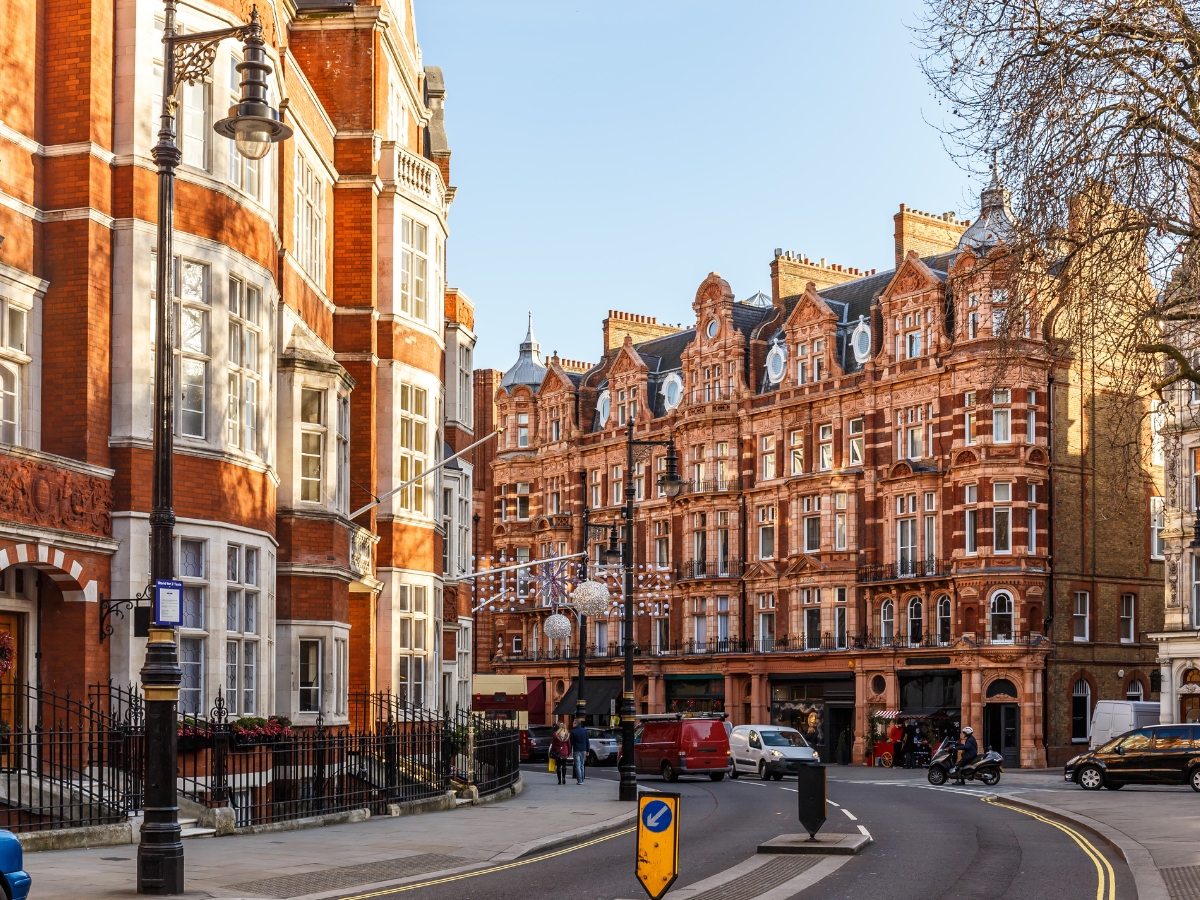
Not every fintech company requires daily interaction with investment banks.
Businesses focused on private wealth, family offices, luxury finance or corporate advisory often prefer Central West End locations.
Prestigious business addresses
Westminster, St James’s and Mayfair remain among London’s most recognised commercial districts.
A prestigious address can reinforce credibility when working with:
- institutional investors
- high-net-worth clients
- international partners
- corporate executives
Outstanding client experience
The area offers world-class:
- hotels
- restaurants
- private members’ clubs
- meeting venues
- luxury retail
These amenities make client meetings and corporate hospitality considerably easier.
Comparing London's leading fintech office locations
For international companies expanding into the UK, it is highly recommended to choose a location that matches your core business sector’s existing cluster. Operating in isolation in a cheaper, non-aligned zone often results in longer sales cycles and higher recruitment costs.
Area |
Best suited for |
Main advantages |
| City of London | Banking, capital markets, financial services | Direct access to financial institutions, extensive office supply |
| Farringdon | Startups and scale-ups | Between finance and technology, excellent transport, startup ecosystem |
| Tottenham Court Road Corridor & Great Portland Street | High-growth fintech, AI and innovation-led businesses | Central location, Elizabeth line, Knowledge Quarter, access to talent |
| Canary Wharf | Enterprise fintech | Global banking clients, modern offices, international connectivity |
| Westminster, St James’s and Mayfair | Wealthtech and executive-facing businesses | Prestigious addresses, premium client environment |
By aligning your office search with these established hubs, you instantly lower the barrier to market entry, tap into localized business networks, and ensure your team is supported by the specific transport links, amenities, and corporate communities designed for your industry
What fintech companies should look for when choosing office space
Office location influences far more than employee commutes. For fintech businesses, the right workspace should support growth over the next several years rather than simply meeting current requirements.
Connectivity across London
Easy access to the Elizabeth line, Underground network and major rail stations reduces travel time for employees, investors and clients. Fast transport links also improve recruitment by making offices accessible from across Greater London and the South East.
Access to clients and investors
Many fintech firms rely on frequent meetings with banks, enterprise customers, investors and advisers. Being located near London’s financial districts can reduce travel while strengthening professional relationships.
Ability to scale
Rapid growth is common within fintech. Flexible offices that allow businesses to increase or reduce space without relocating provide valuable operational flexibility.
Attractive working environment
Today’s employees increasingly value neighbourhoods offering restaurants, cafés, fitness facilities, green spaces and after-work social opportunities. A desirable office location can improve both recruitment and employee retention.
Why flexible offices are increasingly popular with fintech companies
Traditional commercial leases often struggle to keep pace with the rapid growth typical of fintech businesses.
Flexible workspace offers practical advantages throughout different growth stages.
Easier expansion after funding
Companies can increase office capacity without relocating or renegotiating lengthy leases.
Lower upfront investment
Fully furnished offices reduce capital expenditure while allowing businesses to become operational immediately.
Better support for hybrid working
Flexible layouts accommodate changing attendance patterns while maintaining professional meeting facilities.
Predictable operating costs
Many serviced offices include utilities, internet, reception services, cleaning and meeting rooms within a single monthly fee, making budgeting simpler.
Conclusion
The right location of office can strengthen your ability to attract top talent, build relationships with investors and financial institutions, improve employee experience and create a stronger presence within London’s fintech ecosystem.
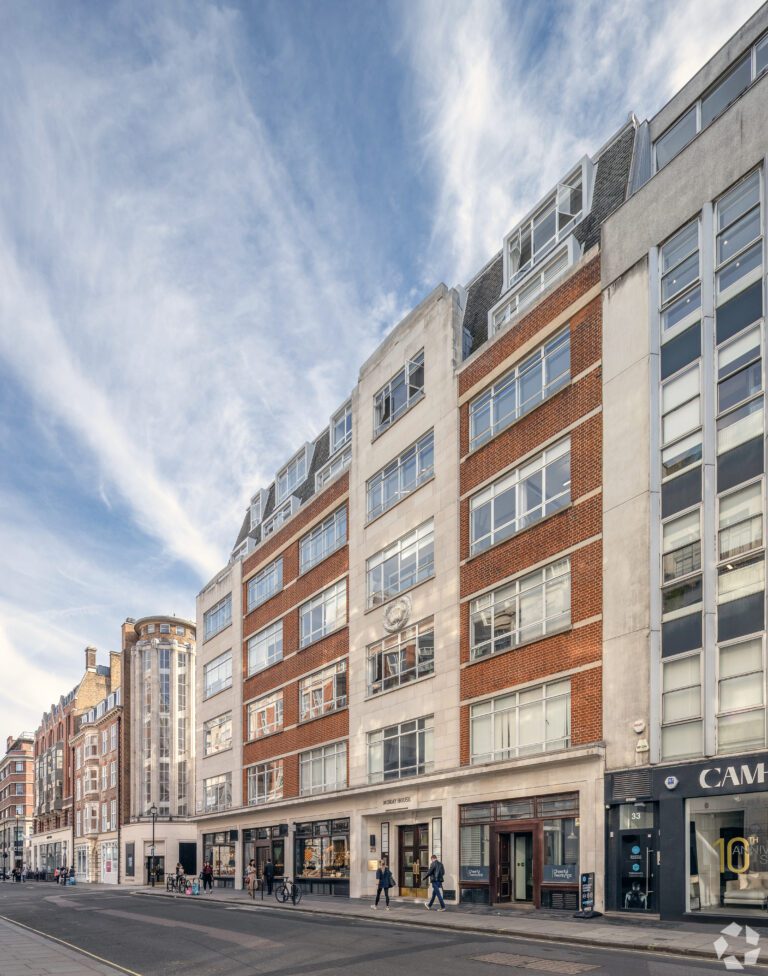
For businesses exploring fintech offices in London, The Langham Estate offers a compelling location within this thriving innovation corridor. With flexible workspace options, excellent connectivity via the Elizabeth line and Underground, and a vibrant neighbourhood filled with cafés, restaurants and business amenities, The Langham Estate provides an environment designed to support both growing startups and established fintech firms.
The right location of office can strengthen your ability to attract top talent, build relationships with investors and financial institutions, improve employee experience and create a stronger presence within London’s fintech ecosystem.
For businesses exploring fintech offices in London, The Langham Estate offers a compelling location within this thriving innovation corridor. With flexible workspace options, excellent connectivity via the Elizabeth line and Underground, and a vibrant neighbourhood filled with cafés, restaurants and business amenities, The Langham Estate provides an environment designed to support both growing startups and established fintech firms.
FAQs about fintech offices in London
Where is the best area for fintech offices in London?
There is no single best location because different fintech companies have different priorities.
- The City of London is ideal for businesses that work closely with banks, financial institutions and capital markets.
- Farringdon is popular with startups and scale-ups thanks to its position between London’s financial district and technology ecosystem.
- The Tottenham Court Road Corridor, Tottenham Street and Great Portland Street is an excellent choice for businesses combining fintech, AI, software development and professional services, offering exceptional transport links and access to London’s Knowledge Quarter.
- Canary Wharf suits enterprise fintech companies serving global banks and large financial organisations.
- Westminster, St James’s and Mayfair appeal to firms working with wealth management, private clients and corporate advisory services.
The best location is one that supports your hiring strategy, client relationships and future growth rather than simply offering the lowest rental cost.
Is the City of London better than Canary Wharf for fintech businesses?
It depends on the nature of your business.
The City of London offers immediate access to a broad range of banks, legal firms, insurers, investors and professional services, making it particularly attractive for companies seeking frequent interaction with financial institutions.
Canary Wharf is home to many global banking headquarters and offers premium office buildings with excellent amenities. It is often preferred by enterprise fintech companies that work closely with large financial organisations or require larger office footprints.
Why is the Tottenham Court Road Corridor becoming more popular with fintech companies?
The Tottenham Court Road Corridor, including Tottenham Street and Great Portland Street, occupies a strategic position between London’s financial districts, technology hubs and research institutions.
Businesses benefit from:
- direct Elizabeth line connections across London and to Heathrow Airport
- easy access to the City, Farringdon, King’s Cross and the West End
- proximity to universities, innovation centres and the Knowledge Quarter
- a growing supply of high-quality managed and serviced offices
- an attractive environment that supports recruitment and employee experience
This combination makes the area particularly well suited to fintech companies operating at the intersection of finance, technology and artificial intelligence.
What should fintech companies consider when renting an office in London?
Before choosing an office, consider more than the building itself. Important factors include:
- transport connections for employees and clients
- proximity to customers, investors and business partners
- access to skilled talent
- flexibility to expand as the company grows
- meeting facilities and collaborative spaces
- surrounding amenities such as cafés, restaurants and fitness facilities
- total occupancy costs, including service charges and operational expenses
Selecting the right location can improve recruitment, strengthen client relationships and reduce the disruption associated with future relocations.
Are serviced offices suitable for regulated fintech companies?
Yes. Many regulated fintech businesses operate successfully from serviced or managed offices.
Modern flexible workspaces often provide private offices, secure access controls, dedicated meeting rooms and enterprise-grade internet connectivity. As long as the workspace meets your operational, compliance and security requirements, a serviced office can offer the flexibility needed to support growth while maintaining a professional business environment.