Office recycling solutions: A practical guide for modern workplaces
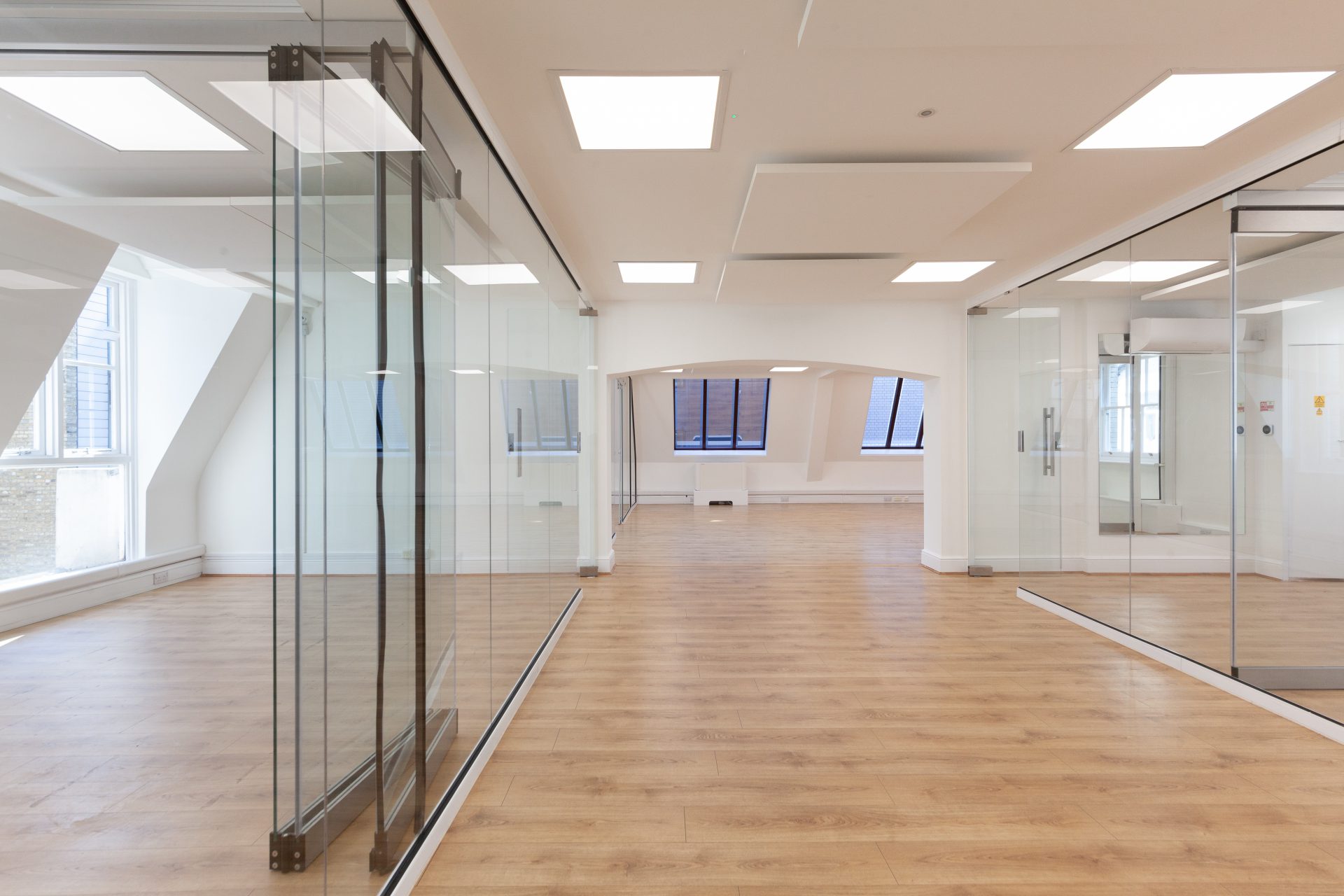
Office recycling solutions are now a practical necessity for modern workplaces, especially in central London locations like Fitzrovia. Offices here operate in dense, mixed-use buildings where space is limited, waste volumes fluctuate, and recycling systems must work efficiently to avoid contamination and overflow.
While many businesses want to recycle more, real-world constraints often get in the way. Shared facilities, historic buildings, and hybrid working patterns mean generic recycling advice does not always apply. To be effective, office recycling in Fitzrovia needs solutions that reflect how the area actually functions day to day.
Common recycling problems in Fitzrovia offices
Offices in Fitzrovia face a range of recycling issues that are rooted in both local waste management challenges and broader London waste data trends. Understanding these helps explain why simple bin placement often isn’t enough.
One major challenge is that London’s overall recycling performance continues to lag behind national targets. Across London boroughs, the household recycling rate has stagnated at about 33 %, one of the lowest rates in England, even as city officials aim to reach a 65% municipal recycling rate by 2030 (Source). This slow progress suggests there is still “room for improvement” in how waste – including from commercial and office sources – is collected and processed.
In Fitzrovia itself, office recycling problems are compounded by typical central London urban constraints, including high density, mixed building uses, and limited space for waste infrastructure. Specific issues include:
- Limited back-of-house space: Many Fitzrovia offices are in historic or tightly configured buildings with restricted areas for separate bins or larger recycling containers. This lack of storage space often leads to recycling and general waste being mixed or overflowing.
- Shared waste facilities: Offices frequently share waste management infrastructure with retail, residential, and hospitality tenants. This can lead to scheduling conflicts and uncertainty over who is responsible for sorting and placing recycling correctly.
- Inconsistent sorting and contamination: With hybrid work patterns and rotating staff or visitors, recycling bins can easily become contaminated with non-recyclable waste, reducing the quality of materials collected and increasing processing costs.
- Coordination with local services: Westminster City Council and its partners (such as Veolia) run daily recycling collections in the area, but businesses must align with these schedules and waste classifications to ensure their recycling is collected rather than treated as general waste (Source).
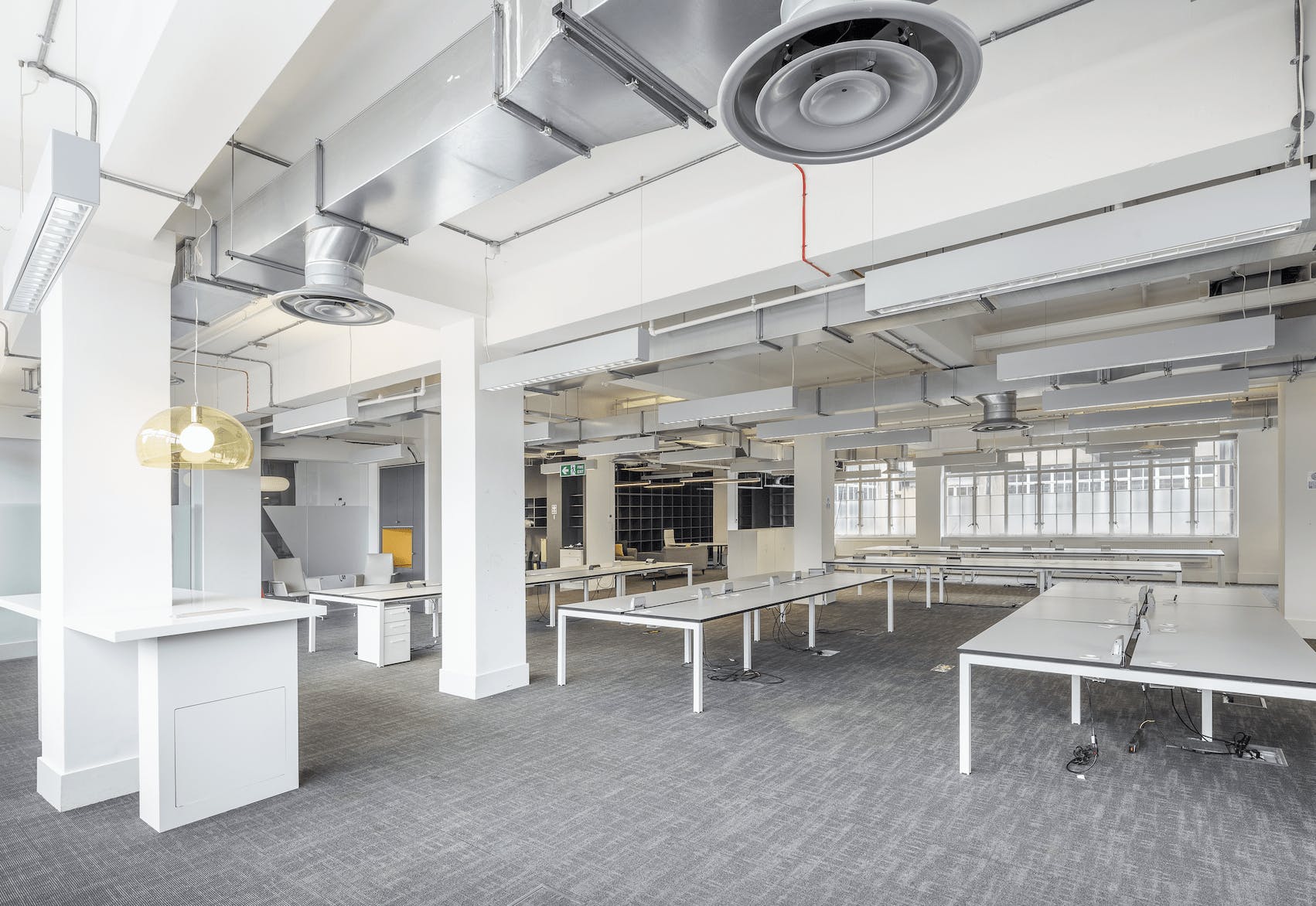
Practical office recycling solutions for Fitzrovia workplaces
1. Start with a waste audit
Before adding bins, first understand your office’s waste profile:
- Track what waste types (paper, plastics, food waste, e-waste) are most common.
- Collect samples over a week — this helps you choose the right bins and systems.
2. Provide clearly labeled recycling bins
Make recycling intuitive and convenient:
- Place colour-coded bins with clear labels for paper, cardboard, plastics, metals, glass and food waste.
- Use graphics/icons so materials are easily identified.
- Position recycling stations in high-traffic areas (kitchens, breakout spaces, near printers).
3. Improve bin placement & accessibility
Recycling succeeds when it’s easy:
- Place bins within 10–15 steps of every employee to reduce contamination and increase participation.
- Consider centralised hubs instead of lots of small desk bins — research suggests these help staff sort more mindfully.
4. Educate your team
Employee engagement is key:
- Run short training or awareness sessions explaining what belongs in which bin and why recycling matters.
- Share progress, goals or fun challenges to keep momentum going.
5. Set goals & monitor progress
Make your efforts measurable:
- Set recycling and waste reduction targets (e.g., aim to reduce general waste by X% over 6 months).
- Regularly check bin contents and adjust your system if contamination (wrong materials in recycling) is high.
6. Organise reuse stations
Encourage reuse to cut waste before recycling:
- A “reuse shelf” for excess stationery, folders, envelopes, or boxes helps reduce new purchases.
7. Use dedicated e-waste & special recycling services
Some materials need special care:
- Arrange collection for electronics like old laptops, cables, batteries, and printer cartridges.
- Check local business services and compliance with UK recycling rules.
8. Link with waste collection providers
You can consider working with a commercial waste partner to:
- Schedule regular pickups of separated materials.
- Ensure recyclables go to licensed facilities, reducing contamination and landfill disposal.
9. Encourage sustainable office habits
Beyond bin placement:
- Reduce single-use items (cups, cutlery) and encourage reusable alternatives.
- Promote digital documentation over print wherever feasible.
These steps make recycling easy and understood, increasing participation across teams — the combination of right bins, signage, placement, education and monitoring ensures recycling becomes part of everyday office culture.
Recycling solutions for different types of Fitzrovia offices
1. Small offices and serviced offices
Typical challenges: limited space, shared facilities, low waste volumes
Practical recycling solutions:
- Simple bin setup: paper, mixed recycling, general waste
- Centralised recycling stations rather than desk bins
- Clear signage to avoid confusion between different tenants
- Shared recycling arrangements with building management
Why this works: keeps recycling manageable without taking up valuable floor space.
2. Creative, media, and design studios
Typical challenges: packaging waste, print materials, coffee cups, flexible working patterns
Practical recycling solutions:
- Larger paper and cardboard recycling capacity
- Mixed recycling bins in studio and kitchen areas
- Reuse stations for paper, folders, and packaging materials
- Clear guidance to prevent contamination from food or liquids
Why this works: supports high paper use while encouraging reuse, not just disposal.
3. Corporate and professional offices
Typical challenges: high paper use, meeting waste, confidential documents
Practical recycling solutions:
- Secure paper recycling and confidential shredding services
- Recycling points near printers and meeting rooms
- Regular recycling collections aligned with office hours
- Clear policies for staff and cleaning teams
Why this works: balances data security with effective recycling.
4. Tech companies and digital workplaces
Typical challenges: electronic waste, batteries, packaging from equipment
Practical recycling solutions:
- Dedicated e-waste collection for old devices and cables
- Battery recycling points in shared areas
- Cardboard recycling for deliveries and equipment upgrades
- Scheduled e-waste collections rather than ad-hoc disposal
Why this works: ensures compliance and prevents hazardous waste entering general recycling.
5. Medical, healthcare, and specialist offices
Typical challenges: strict waste controls, mixed regulated and non-regulated waste
Practical recycling solutions:
- Clear separation between recyclable office waste and clinical waste
- Paper and cardboard recycling in admin-only areas
- Staff training to prevent cross-contamination
- Licensed waste contractors for specialist waste streams
Why this works: maintains safety and compliance while still recycling office waste.
6. Multi-tenant and managed buildings
Typical challenges: inconsistent recycling habits across tenants
Practical recycling solutions:
- Building-wide recycling standards and signage
- Shared recycling hubs on each floor or in service areas
- Clear communication from building management
- Regular monitoring and feedback
Why this works: consistency reduces contamination and improves recycling rates across tenants.
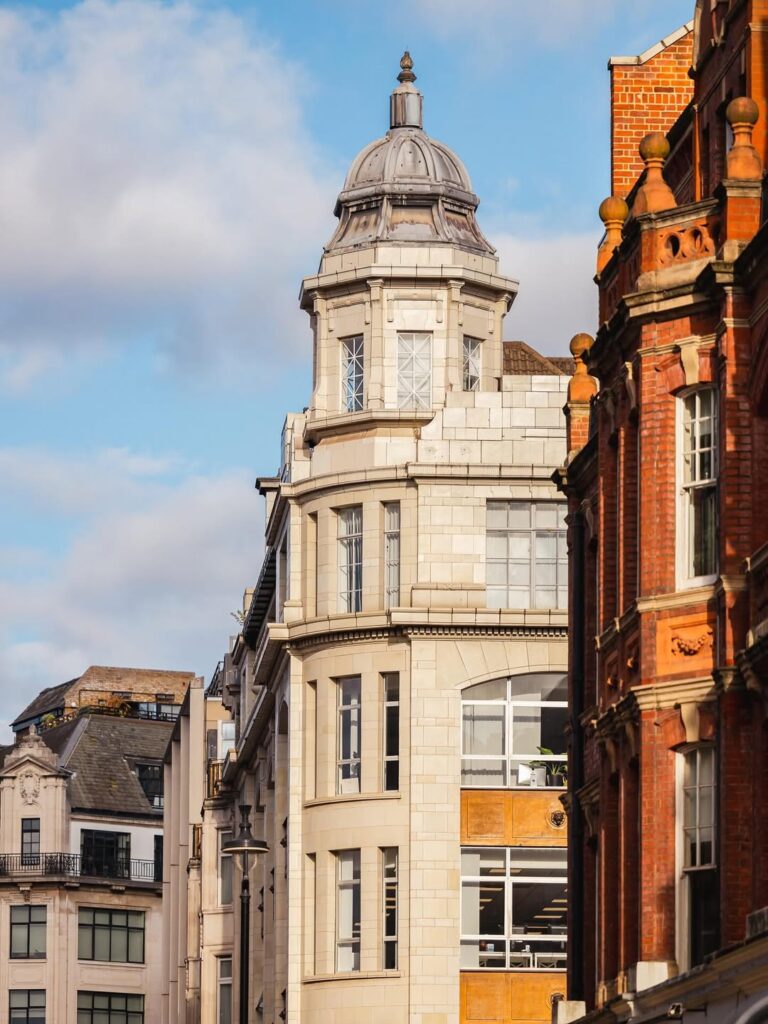
Making office recycling work in Fitzrovia
If you want office space where sustainability is already embedded, The Langham Estate offers buildings designed to support long-term compliance and lower environmental impact.
Across Fitzrovia, The Langham Estate is investing in future-ready workplaces that help occupiers:
- Reduce energy costs from day one with 100 percent renewable electricity
- Stay ahead of MEES and ESG requirements with buildings aligned to clear sustainability standards
- Meet ESG goals without disruptive retrofitting or unexpected lease risk
The Estate is actively removing gas boilers, phasing out fossil fuels in landlord-controlled areas, and targeting a base-building rating of at least 4.5 stars by 2027. With a clear sustainability commitment (1) to reaching net zero by 2040, supported by annual carbon certification, Planet Mark accreditation (2), and membership of Westminster City Council’s Sustainable City Charter, (3) sustainability is treated as a long-term responsibility rather than a short-term fix.
If you want office space where sustainability is already embedded, The Langham Estate offers buildings designed to support long-term compliance and lower environmental impact.
Across Fitzrovia, The Langham Estate is investing in future-ready workplaces that help occupiers:
- Reduce energy costs from day one with 100 percent renewable electricity
- Stay ahead of MEES and ESG requirements with buildings aligned to clear sustainability standards
- Meet ESG goals without disruptive retrofitting or unexpected lease risk
The Estate is actively removing gas boilers, phasing out fossil fuels in landlord-controlled areas, and targeting a base-building rating of at least 4.5 stars by 2027. With a clear sustainability commitment (1) to reaching net zero by 2040, supported by annual carbon certification, Planet Mark accreditation (2), and membership of Westminster City Council’s Sustainable City Charter, (3) sustainability is treated as a long-term responsibility rather than a short-term fix.
In this article:
(1) Sustainability
(2) The Langham Estate achieves Planet Mark certification
(3) The Langham Estate joins Westminster City Council’s Sustainable City Charter