How to navigate lease renewals in Central London (2026)
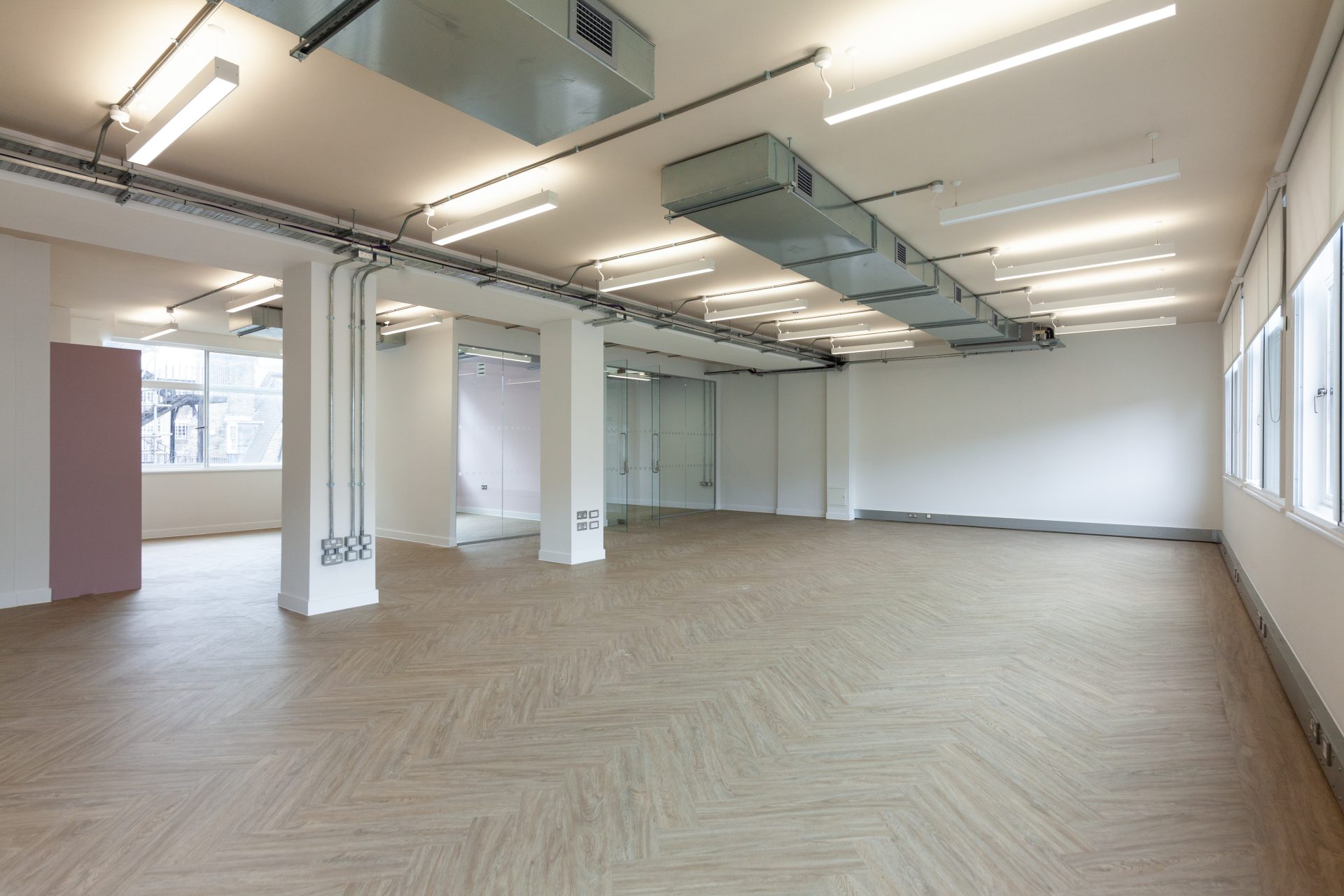
A lease renewal is the legal process of extending a tenant’s right to remain in a property once the existing contract ends. A well-executed contract renewal benefits both sides. For instance, tenants secure continuity for business operations, while landlords gain long-term income stability and reliable occupancy.
Are you a landlord managing commercial premises or a tenant seeking to retain your client base? Understanding the renewal landscape is essential for making sound decisions. Here is a step-by-step process for lease renewal London to ensure your business evolves with market trends.
Understanding your legal rights
Before starting the lease extension process, it is essential to understand your legal rights under the Landlord and Tenant Act 1954. The act forms the backbone of security of tenure for most business tenants in London. That means qualifying tenants have a right to renew their leases unless the landlord objects on statutory grounds, such as serious breaches or planned redevelopment.
The act typically applies when the tenant has occupied the premises for 12+ months, although short-term or contracted-out leases remain excluded. If a landlord’s opposition leads to a dispute, the matter may proceed to court, where the tenant may receive compensation of 1-2 times the rateable value. However, specific properties, such as mining leases, are exempt.
A step-by-step renewal process
Lease renewal London negotiations are most successful when approached through a structured process. The following model will protect your rights and streamline discussions around pricing and the new commercial lease valuation.
Step 1: Review your existing lease
Begin by assessing the key terms in your current commercial lease, including rent obligations, repair duties, break clauses, and maintenance responsibilities. This review reveals what may need adjusting during the new lease term. Consulting a commercial lease solicitor ensures clarity, especially if complex clauses apply.
Read more: Best areas to work in London
Step 2: Serve formal notice
If your lease is protected under the Landlord and Tenant Act 1954, the renewal process must begin with formal notice. Landlords typically issue a Section 25 notice to propose renewal terms or oppose renewal. On the other hand, tenants may initiate a Section 26 request for a new tenancy. Serving notice properly is crucial, as incorrect timing can affect both rights and negotiation leverage.
Step 3: Start negotiation
Negotiations focus on rent, lease valuation, and appropriate lease term, often between 5-10 years. Market-based rent assessments require input from surveyors who can provide accurate valuations and comparables. Key elements include rent review mechanisms, responsibility for repairs and service charges, permitted uses, sustainability requirements, and break clauses. Setting clear expectations ensures the renewed contract supports long-term business strategy and operational needs.
Step 4: Draft the new lease agreement
After agreeing to the core terms, your solicitor prepares the new lease document. This draft must fully reflect negotiated updates and comply with current commercial and residential property regulations to avoid disputes later. A well-drafted document ensures that both the landlord and the tenant enter into a balanced, legally sound agreement that supports future stability.
Step 5: Finalisation
Once the terms are mutually agreed upon or issued by court order, the new lease term can be executed. Each party covers their own legal and surveyor fees, though this can be negotiated depending on circumstances. Finalisation confirms the updated contract, securing occupation continuity while aligning obligations with current business and market realities.
What to expect from the 2026 market in Central London
As London approaches 2026, evolving market trend will heavily influence decisions on lease extension, office relocations, and long-term occupancy planning. Here are key expectations for the 2026 Central London office market.
Rental price forecasting
With nearly 70% of 2026’s scheduled completion already pre-let, rental pressures are expected to intensify. Best-in-class space may see rents rise 3-5% year-on-year. Forecasts also suggest prime space in the West End will reach £104–£110 per sq ft, while City prime rents are likely to settle around £75–£80 per sq ft. These trends reinforce the importance of early planning when negotiating a new lease term.
Rental space supplies in Central London
Vacancy rates remain low at 7-8%, with prime spaces below 7%. New modest is modest, with only 1-3.6 million sq ft of completions expected. Limited development pipelines and an increased reliance on refurbishments could mean supply drops below one year’s average demand by 2026. This creates heightened competition for high-quality offices and serviced office spaces.
Demand drivers
Annual take-up is projected to exceed 10 million sq ft, driven by strong sectors like finance (27%), tech and media (18%), and professional services (11%). Many businesses seek fitted, flexible, and sustainable workplaces in amenity-rich Central London neighbourhoods. Approximately 55% of occupiers also plan expansions, increasing pressure on retail, leisure, and office properties. These drivers make proactive lease renewal planning essential for securing favourable space before demand intensifies.
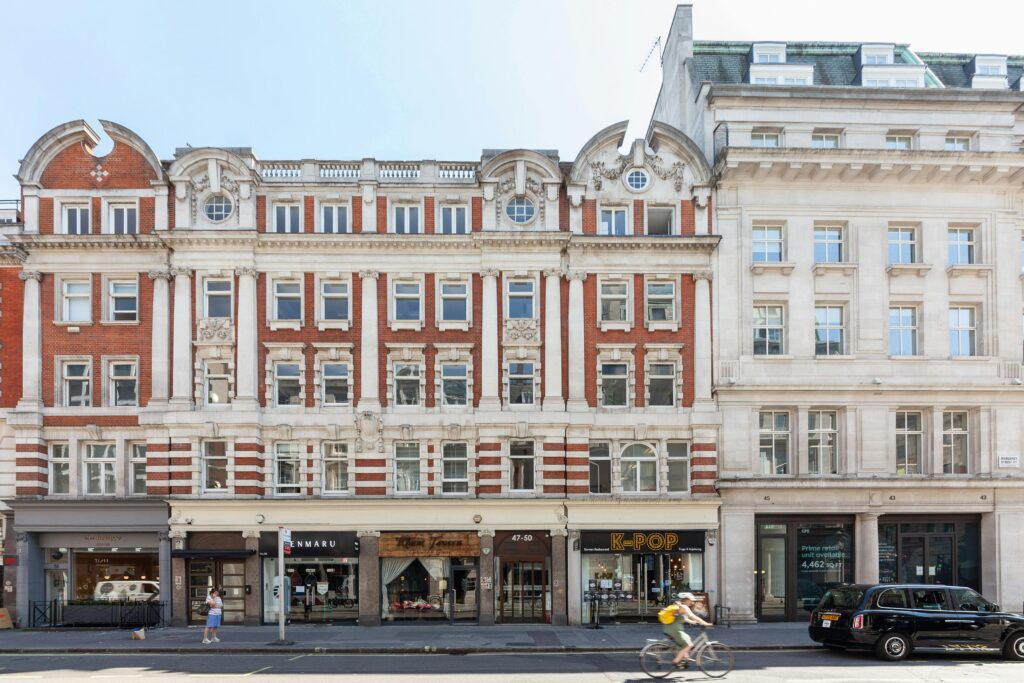
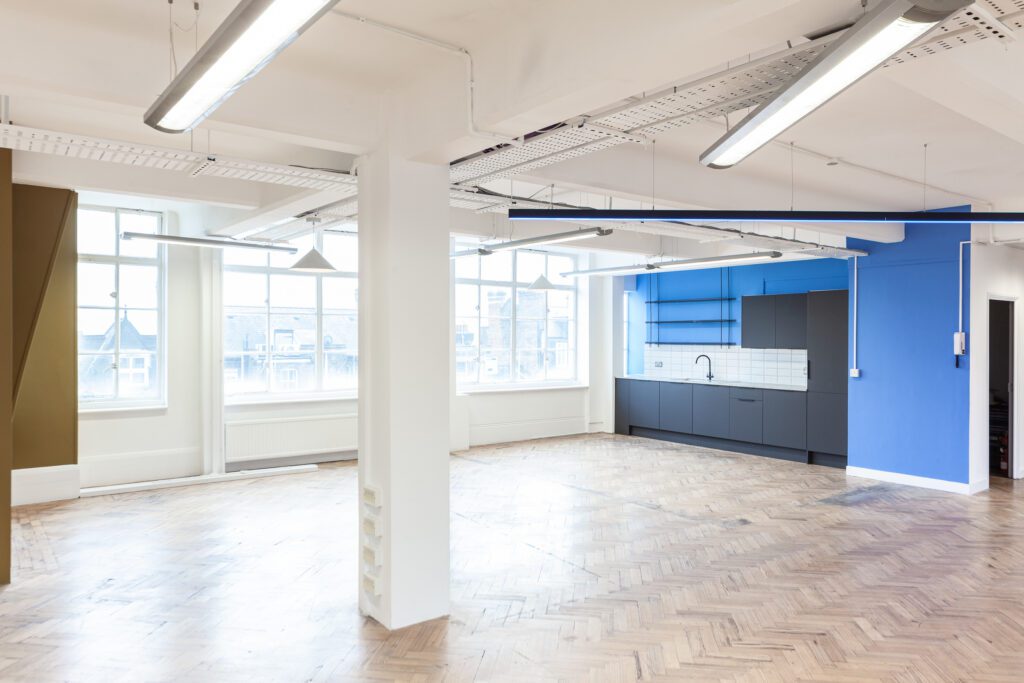
Discover leasing opportunities with The Langham Estate
Securing the right commercial space in Central London requires market awareness and a partner who understands the complexities of lease extension, valuations, and evolving tenant expectations. The Langham Estate is a well-established property management and commercial real estate specialist serving Fitzrovia, one of the vibrant business districts.
The estate is strategically located and offers flexible offices, retail, and leisure spaces tailored to modern operational needs. If you are planning a lease renewal London strategy or seeking new opportunities, contact The Langham Estate to explore the available premier options.