A breakdown of office redesign planning for modern businesses
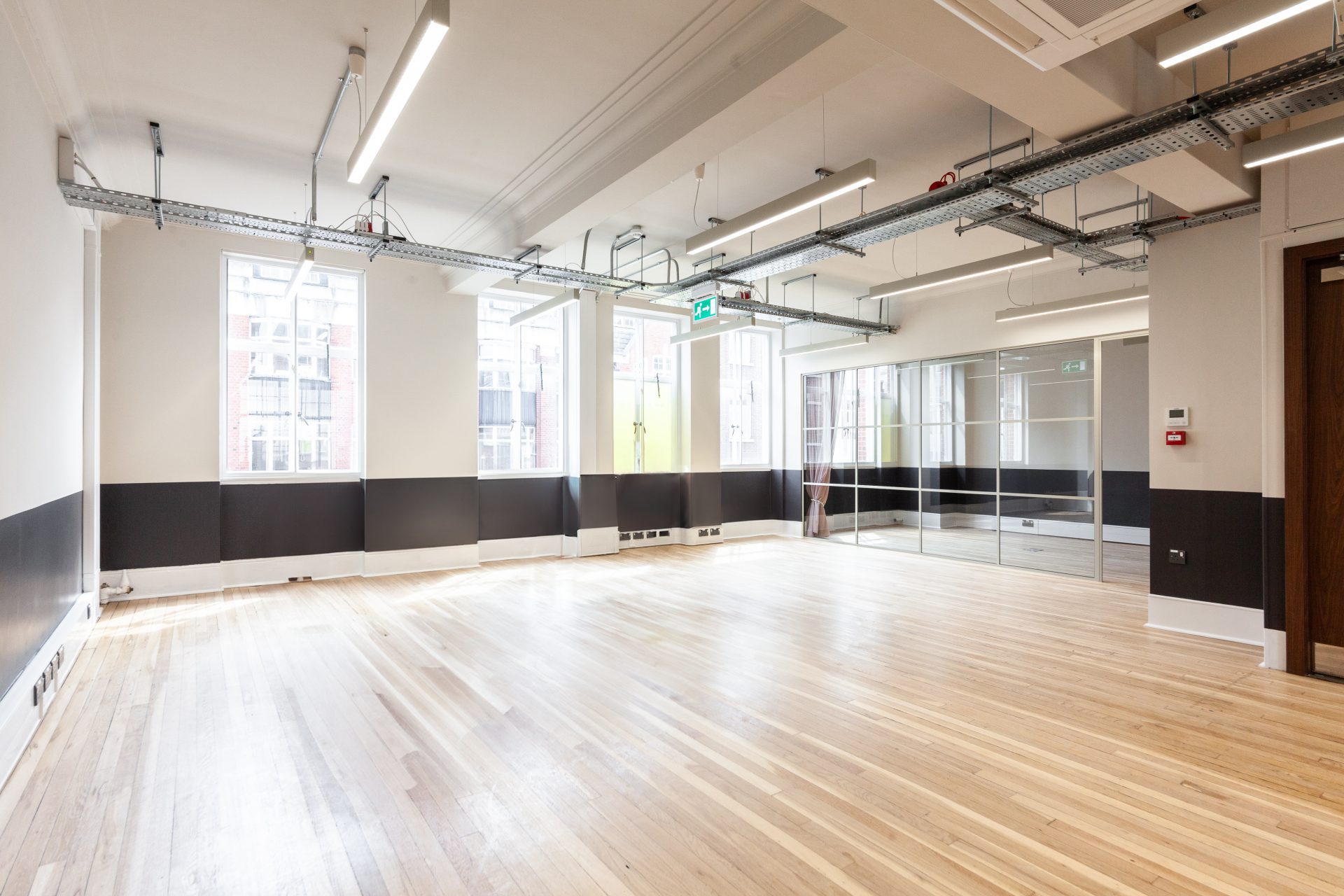
Redesigning an office is one of the most effective ways to improve how people work, collaborate, and feel in their environment. It can also be one of the most disruptive and expensive changes a business makes if it is not properly planned. A clear office redesigning checklist helps teams avoid costly mistakes, align design with real working patterns, and future-proof the space for changing needs.
Modern workplaces are no longer designed around fixed desks and long hours. Hybrid working, sustainability requirements, wellbeing expectations, and technology demands all influence how an office should function today. This checklist breaks the redesign process into practical steps so decisions are made in the right order, with fewer surprises along the way.
Step 1: Define the purpose of your office redesign
Before looking at layouts or furniture, be clear about why you are redesigning.
Key questions to answer:
- Is the redesign driven by hybrid working or team growth?
- Are you trying to improve collaboration, focus, or client experience?
- Is the space underused or no longer fit for purpose?
- Are there sustainability or compliance targets to meet?
A redesign without a clear purpose often results in attractive spaces that do not solve the original problem. Defining success early keeps decisions focused and measurable.
Step 2: Understand how your team actually works
Offices should reflect real behaviour, not assumptions.
Checklist:
- How often are desks used on an average day?
- How many meetings happen in person versus online?
- Do people need quiet focus areas or collaborative zones?
- Are there accessibility or inclusion needs to address?
Using basic occupancy data or staff surveys helps avoid overbuilding meeting rooms or underestimating the need for quiet space. Offices that match daily work patterns are more likely to be used and valued.
Step 3: Review space, layout, and building constraints
Every building shapes what is possible in a redesign.
Consider:
- Floorplate size, columns, and circulation routes
- Natural light and window access
- Ceiling heights and mechanical systems
- Fire exits and accessibility compliance
In historic or mixed-use buildings, structural constraints often limit major changes. Understanding these early prevents design revisions later in the process.
Step 4: Build sustainability into the redesign
Office redesigns are a key opportunity to improve environmental performance.
Checklist:
- Upgrade lighting to energy-efficient LED systems
- Improve insulation where possible
- Specify low-impact, durable materials
- Integrate office recycling and waste reduction systems
- Align with MEES, EPC, and ESG requirements
Designing sustainability in from the start is more effective and less disruptive than retrofitting later. It also supports long-term compliance and operational cost control.
Step 5: Plan technology and infrastructure early
Technology decisions should be embedded, not added as an afterthought.
Checklist:
- Power and data distribution across the floorplate
- Meeting room AV and hybrid-working technology
- Wi-Fi capacity and resilience
- Smart lighting, sensors, or building controls
Early coordination between designers and IT teams reduces rework and ensures the office supports modern working habits.
Step 6: Budget, phasing, and disruption planning
Redesigns often cost more when decisions are delayed.
Checklist:
- Set a realistic budget with contingency
- Decide between phased works or full closure
- Plan temporary work arrangements if needed
- Build time buffers into the programme
Clear phasing reduces disruption and helps teams stay productive during works.
Step 7: Compliance, permissions, and landlord approvals
Many redesigns require formal approvals.
Checklist:
- Licence to alter from the landlord
- Building regulations and fire safety sign-off
- Sustainability or lease-related obligations
- Coordination with building management
Addressing compliance early avoids delays and protects lease relationships.
Step 8: Future-proof the design
Good office design should last beyond current needs.
Checklist:
- Modular furniture and flexible layouts
- Spaces that adapt to headcount changes
- Technology that scales with growth
- Materials that age well and are easy to maintain
Future-proofing reduces the need for frequent redesigns and extends the value of your investment.
Planning an office redesign? Start with the right building
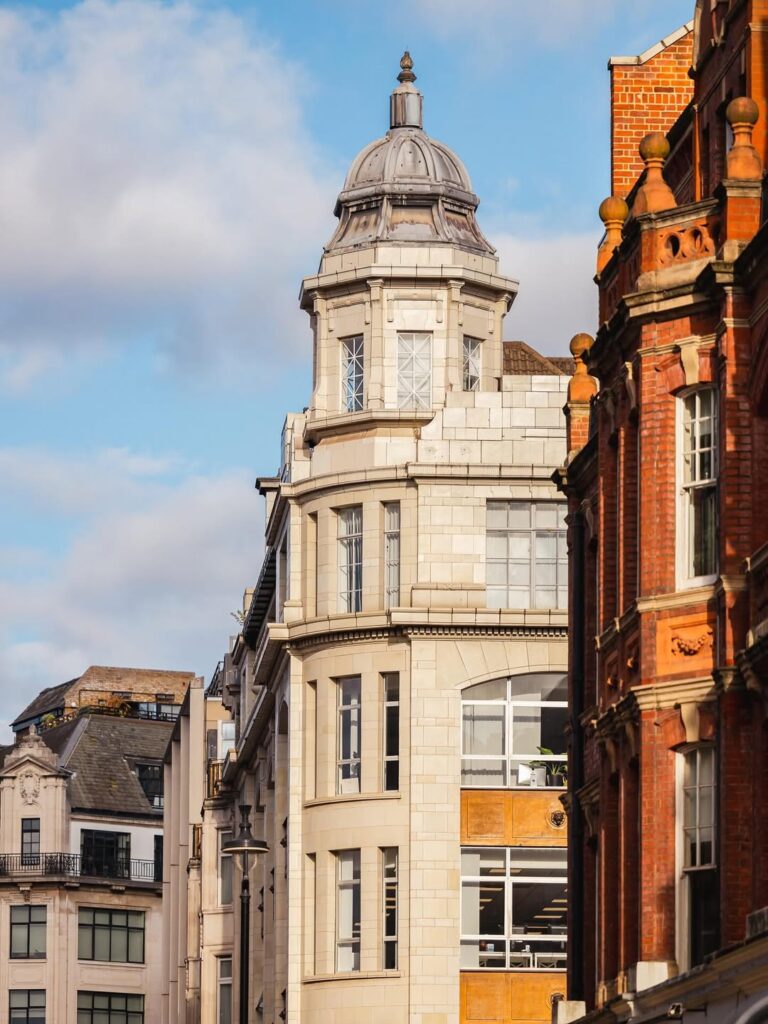
An office redesign is much easier when the building already supports how modern businesses work. This is where The Langham Estate can make a meaningful difference. As a long-term steward of Fitzrovia, The Langham Estate offers offices designed to support evolving work patterns, sustainability targets, and long-term business growth.
Across the portfolio, occupiers benefit from:
- Flexible office spaces that adapt to redesigns and changing team sizes
- Buildings aligned with sustainability standards, supporting ESG and MEES requirements
- Thoughtfully managed environments that reduce operational and retrofit risk
- A neighbourhood setting that supports wellbeing, connectivity, and everyday convenience
If you are redesigning an office as part of a wider move, lease renewal, or growth plan, choosing a building that is already future-ready can save time, cost, and disruption. The Langham Estate’s team can help you find space that supports your redesign ambitions from day one.
Explore office space in Fitzrovia with The Langham Estate and plan your next workspace with confidence.
An office redesign is much easier when the building already supports how modern businesses work. This is where The Langham Estate can make a meaningful difference. As a long-term steward of Fitzrovia, The Langham Estate offers offices designed to support evolving work patterns, sustainability targets, and long-term business growth.
Across the portfolio, occupiers benefit from:
- Flexible office spaces that adapt to redesigns and changing team sizes
- Buildings aligned with sustainability standards, supporting ESG and MEES requirements
- Thoughtfully managed environments that reduce operational and retrofit risk
- A neighbourhood setting that supports wellbeing, connectivity, and everyday convenience
If you are redesigning an office as part of a wider move, lease renewal, or growth plan, choosing a building that is already future-ready can save time, cost, and disruption. The Langham Estate’s team can help you find space that supports your redesign ambitions from day one.
Explore office space in Fitzrovia with The Langham Estate and plan your next workspace with confidence.