How Fitzrovia’s office adapts to sustainability in London’s office market?
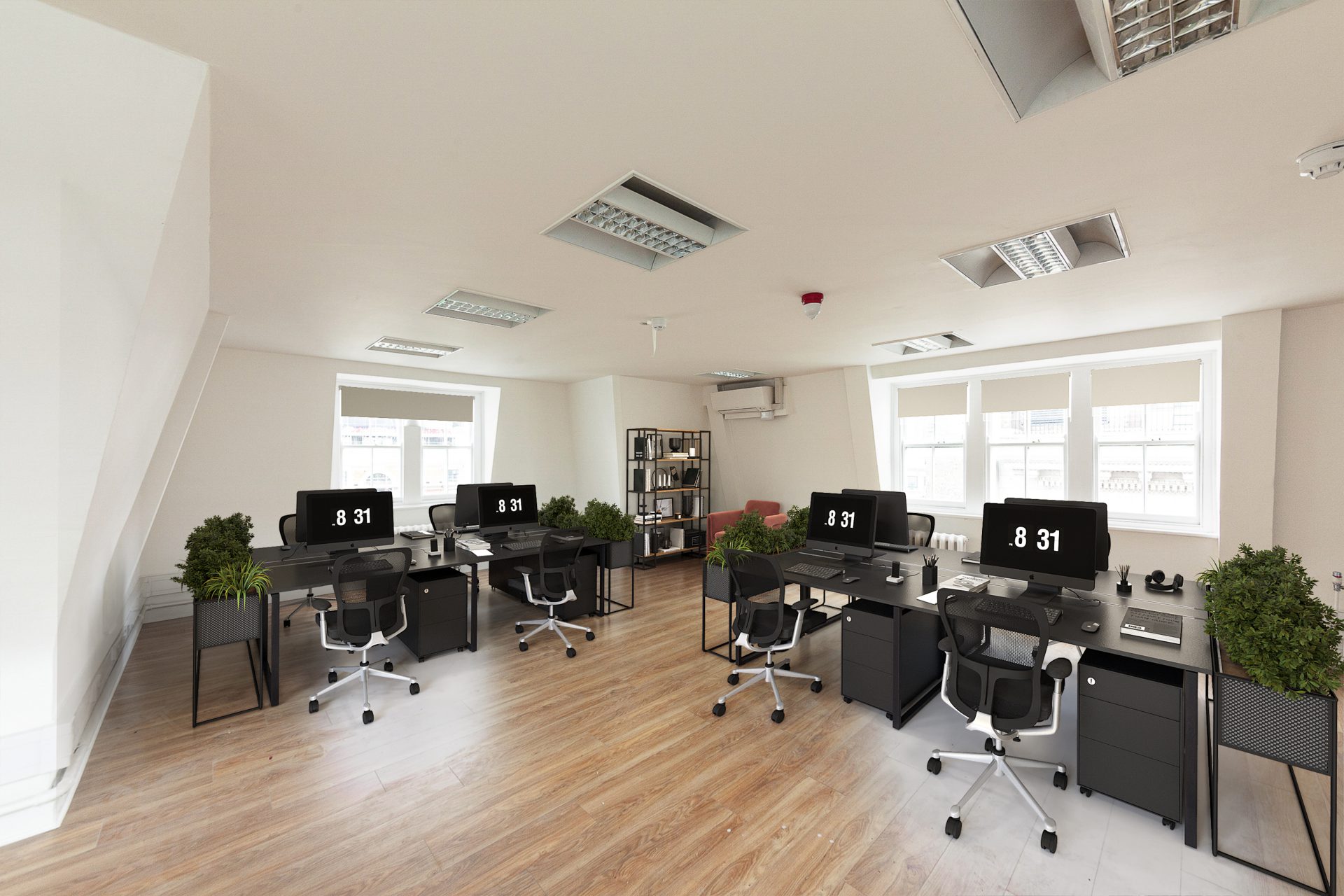
Recent regulations of London’s Council has led to a change in Fitzrovia’s Office Market scenarios: no more nice-to-have, rather than that it has become a mandatory environmental requirement for office and commercial buildings to follow a guideline strictly controlling both external and humane aspects for a sustainable neighbourhood.
In this article, we explore how these regulatory changes have influenced Fitzrovia’s evolution, examining the practical adaptations taking place across the area. From smarter retrofits to wellbeing workspaces, Fitzrovia is steadily aligning with a broader, long-term vision.
Sustainable regulations: An overview of the current scenarios in the 21st century
It was not until the consequence of global warming started to emerge that people started paying attention to how serious the problem was. To respond to the fast-paced change of global warming, many governments started to introduce regulations to adapt to the new world scenarios, and the UK was not an exception.
Starting from 2024, there have been several environmental regulations that were introduced and applied in the Office Market, notably the EPC ratings to measure how energy-efficient a building is and how environmentally impactful it will be to operate. Just like a drastic change of energy production in the Industrial Revolution, this rating implements a pioneer vision of the UK government in the energy sector: Energy efficiency in buildings plays a vital role in maintaining longer tenants. This means both landlords and rental companies in London, especially Fitzrovia’s Office Market, have to come up with initiative to align with the area’s calm, rich-in-history identity.
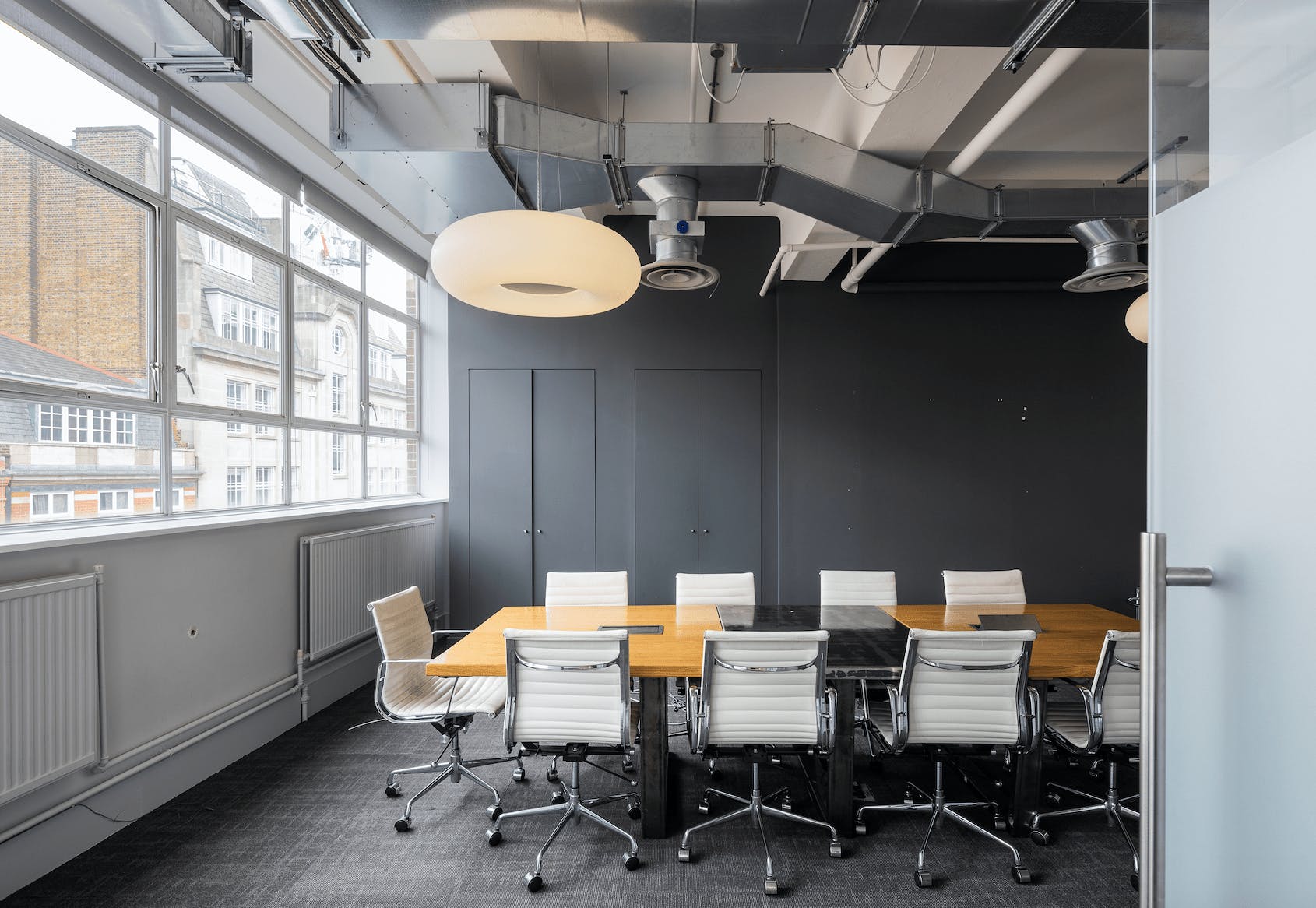
The prediction for future: Group efforts is prioritized
The problem is: when climate change happens, everyone is on the same boat. We are affected on multiple aspects, so group effort to alleviate climate change is highlighted throughout environmental protocol.
In Fitzrovia Quarter specifically – a blend of historical architecture and modern activities, every building in the area started to be renovated to meet the requirements of UK law. In Q3 2025, Grade A space accounted for 72% of total take-up, underlining this ongoing focus on quality.
Another data we found with active demand remained stable over the quarter at 1.92m sq ft, with the financial sector representing the largest share (34.7%). Active demand remains 7.6% below the long-term trend.
Although nearterm demand is lower than previous quarters, it is focussed on best-in-class space. Some insights could be extracted from this trend can show how office adapt with sustainability in the region:
- Internal environmental performance: Overall, both air ventilation and Filters and cleaner air strategies are mentioned as legal baselines.
- Daylight optimisation: daylight optimisation is not absolute, but it is highly intentional, especially given the constraints of historic buildings. Some can be mentioned are controlled, even light or Reduced dependence on artificial lighting during core daytime hours.
- Acoustic improvements: Mental wellbeing is not limited to what we see, it also comprises what we hear. So urban noise reduction is introduced to aim for a sustainable neighbourhood.
Efficient use of building: Instead of dividing, the way offices adapt to sustainability is impressive: operators join in together to create multi-purpose spaces in one building, with amenities and office flats in different floors.
How Fitzrovia’s Office Market react to the recent changes:
With all the changes, the Domino effect starts to affect everyone in an optimistic way: everybody is moved by the effort of the city council, therefore they choose to lend a helping hand, filling the area with responsible tenants who also pay attention to long-term improvements.
People can assume that one small contribution can’t make any difference, but Fitzrovia Quarter does not surrender these obstacles. Rather than that, tenants take this opportunity to improve the well-being of the neighbourhood, giving every visitor a fresh escape from the usual bustling streets. It’s like a group effort coming together in a practical way, making it rather a lifestyle of the residents here.
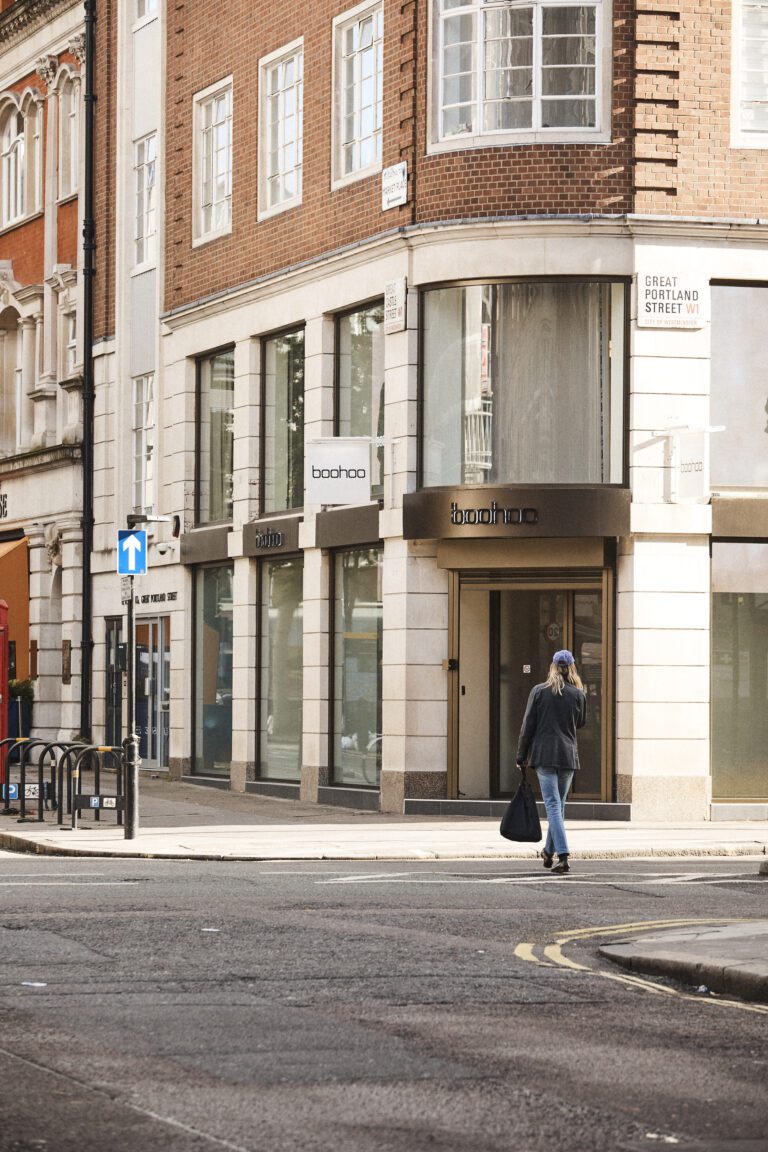
About Langham Estate and how we pursue sustainability
At Fitzrovia Quarter, every store sits shoulder by shoulder, every small effort contributing to the bigger picture still deserves recognition.
Working closely with Planet Mark, Langham Estate actively tracks and reduces the carbon emission for long-term environmental action. This commitment is further strengthened through its support of Westminster City Council’s Sustainable City Charter, reinforcing a shared vision for a greener urban future.
Local creativity plays a part too. The Leftovers Love Seat project by Langham Estate transformed recycled waste from Fitzrovia’s restaurants into public art, celebrating both the community’s culture and its dedication to recycling and sustainable design.
At Fitzrovia Quarter, every store sits shoulder by shoulder, every small effort contributing to the bigger picture still deserves recognition.
Working closely with Planet Mark, Langham Estate actively tracks and reduces the carbon emission for long-term environmental action. This commitment is further strengthened through its support of Westminster City Council’s Sustainable City Charter, reinforcing a shared vision for a greener urban future.
Local creativity plays a part too. The Leftovers Love Seat project by Langham Estate transformed recycled waste from Fitzrovia’s restaurants into public art, celebrating both the community’s culture and its dedication to recycling and sustainable design.
Reference list:
(1) Central London Office Market Update Q3 2025