Building a community around art: How Fitzrovia’s galleries can serve as networking hubs for your business?
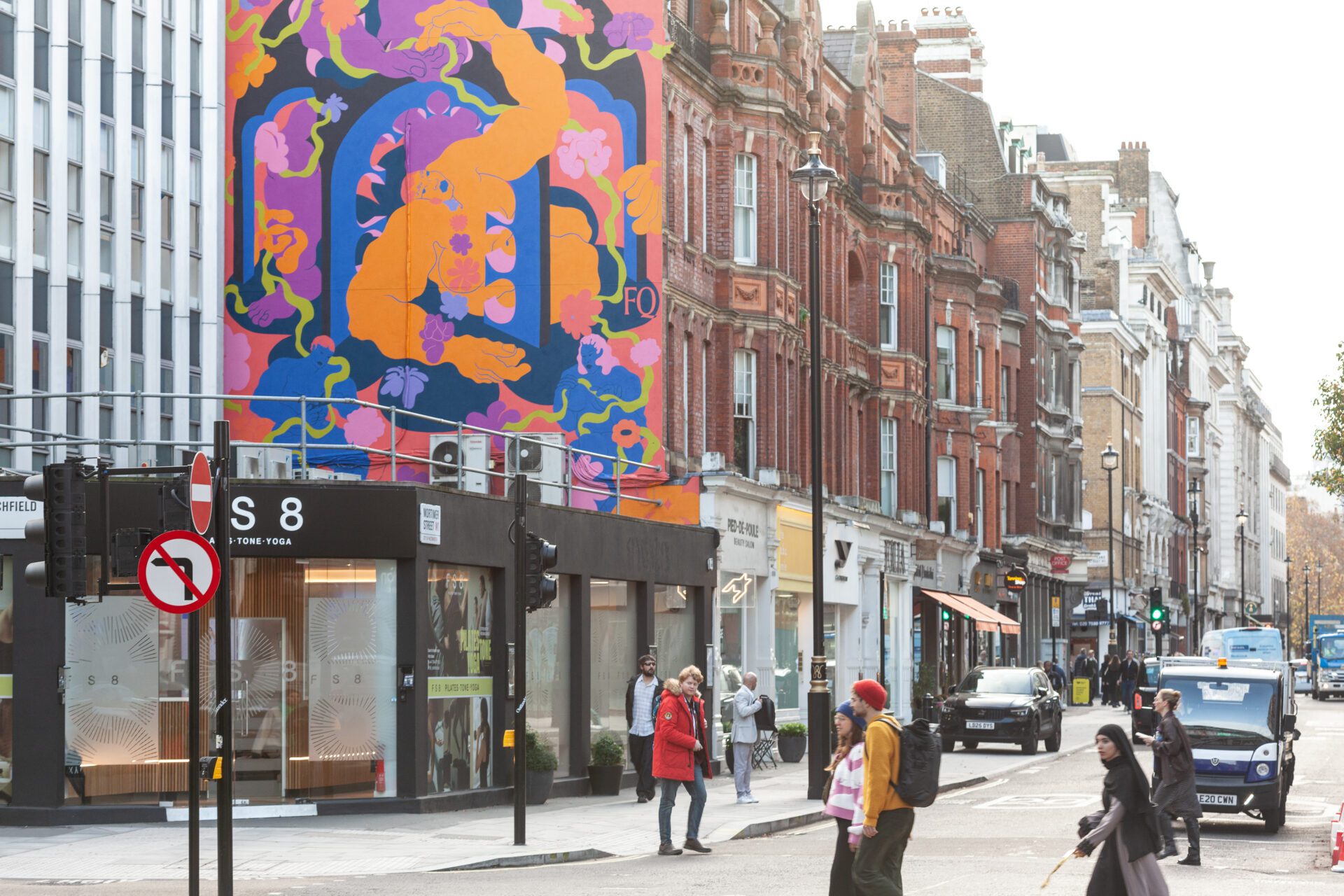
Nowadays, networking does not always happen in boardrooms. In Fitzrovia, more businesses are choosing settings that feel natural, relaxed, and genuinely local. That is partly because Fitzrovia is a neighbourhood where creative life and working life overlap every day. You have galleries, studios, cafés, restaurants, and offices all within a short walk across Great Portland St. to Oxford St.
What makes this interesting for businesses is that galleries are not only places to view art. They can also work as community touchpoints. An exhibition opening, an artist talk, or a small private view creates an easy reason for people to show up, stay a little longer, and talk to someone new without the pressure of “networking” as a goal.
In this blog, we will look at how Fitzrovia’s galleries can help businesses build relationships that actually last, and why this approach fits what Fitzrovia is like right now.
Fitzrovia today: A neighbourhood where creativity and business overlap
Fitzrovia stands out in central London because it is not dominated by a single industry. According to local business data, Fitzrovia supports thousands of workers across small and mid-sized businesses, many of which employ fewer than 50 people. This creates a working environment where people are more likely to recognise faces, return to the same places, and build familiarity over time. Galleries sit comfortably within this structure because they already attract a similar audience: professionals who value culture, conversation, and community.
Another important factor is scale. Fitzrovia is highly walkable. Most streets are lined with a combination of offices, cafés, restaurants, and cultural venues, meaning galleries are rarely isolated destinations. They are part of the daily movement of people working in Fitzrovia, rather than something visited only on special occasions.
- A dense mix of creative, professional, and healthcare businesses operating side by side
- High proportion of small and medium-sized companies, which supports local relationship-building
- Walkable streets that increase repeat visits and casual encounters
- Galleries embedded within everyday working routes, not set apart from business life
This environment makes Fitzrovia particularly well suited to community-led networking. People are already present, already nearby, and already open to engaging beyond their immediate workplace.
Why art galleries in Fitzrovia are natural meeting places
Art galleries work as meeting places because they already sit at the intersection of culture, work, and daily movement. In Fitzrovia, this is especially visible. The area has one of the highest concentrations of small commercial units and creative occupiers in central London, which means people are not commuting in and out of a single-purpose district. They are present throughout the day, moving between offices, cafés, clinics, studios, and cultural venues.
For businesses renting commercial space in Fitzrovia (1), this creates a different networking environment from larger office clusters. Data across central London shows that small and mid-sized businesses now account for the majority of active commercial occupiers (2), particularly in neighbourhoods like Fitzrovia where floorplates are smaller and more flexible. Galleries naturally reflect this scale . They are intimate, human-sized spaces where conversations can happen without the noise or pressure of large venues.
Galleries also align closely with how professionals use creative spaces in central London today (3). According to a case study, the workplace behaviour consistently shows that people are more likely to engage and stay longer in environments that encourage curiosity and reflection. Exhibition spaces do exactly that. Visitors typically spend more time on-site compared to retail or hospitality venues, which increases the likelihood of meaningful interaction rather than brief exchanges.
There is also a clear shift away from traditional high-footfall retail corridors. Rising costs and changing consumer behaviour have pushed many brands to look for Oxford Street alternatives for retail and engagement (4). Fitzrovia has benefited from this shift. Instead of volume-driven footfall, galleries attract a more targeted audience: local professionals, business owners, and visitors who are already invested in the area. This makes interactions more relevant and repeat-based.
Because of these factors, art galleries in Fitzrovia do not need to be redesigned as networking venues. They already function that way. They bring together the right people, in the right setting, at the right scale for genuine professional relationships to form.
The role of Fitzrovia Quarter in supporting this culture
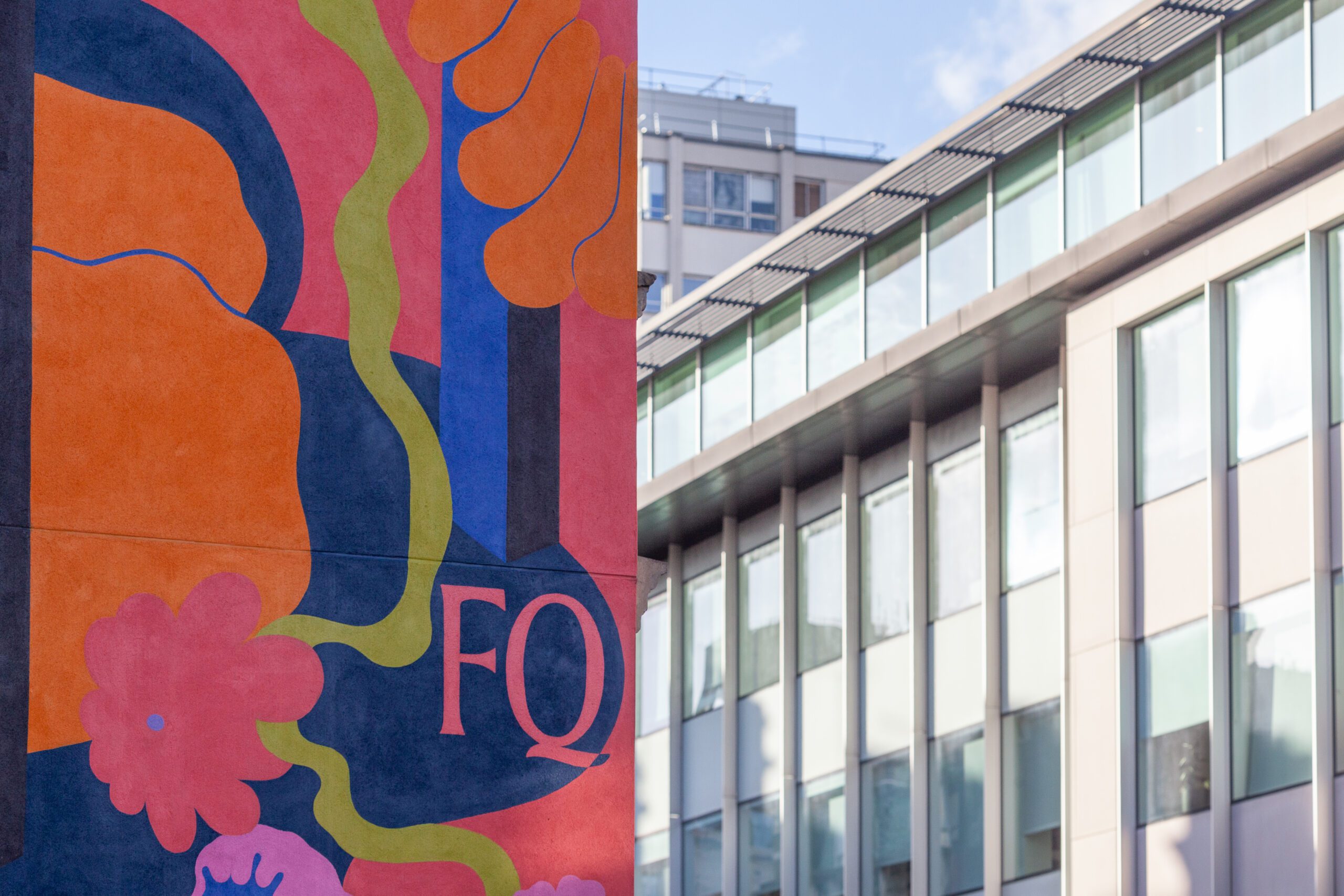
Creative communities do not sustain themselves without coordination. In Fitzrovia, much of the connection between businesses, galleries, and local activity is supported by Fitzrovia Quarter, which is the branded neighborhood created in the association with Langham Estate. Its role is practical rather than symbolic.
Fitzrovia Quarter represents hundreds of local businesses and thousands of daily workers across the neighbourhood. Its remit covers business support, placemaking, events, and cultural programming, which means it is well positioned to link creative spaces with commercial occupiers. Rather than working in isolation, galleries and businesses are encouraged to operate as part of a shared local ecosystem.
Two recent initiatives illustrate this clearly. The Artists’ Corner event created a visible platform for artists and creatives to engage directly with the local business community. By placing creative practice into a shared, public-facing setting, it encouraged conversation between people who might otherwise never meet, from gallery visitors and local employees to business owners and freelancers.
Similarly, the Fitzrovia Quarter Wellness Festival showed how cultural and wellbeing-focused events can draw in a broad professional audience. By combining talks, activities, and creative programming across the neighbourhood, the festival increased footfall, extended dwell time, and encouraged people to move between different venues. Importantly, it also demonstrated how galleries and creative spaces can sit comfortably alongside business-led initiatives without losing their cultural integrity.
How to use art as the connector in Fitzrovia?
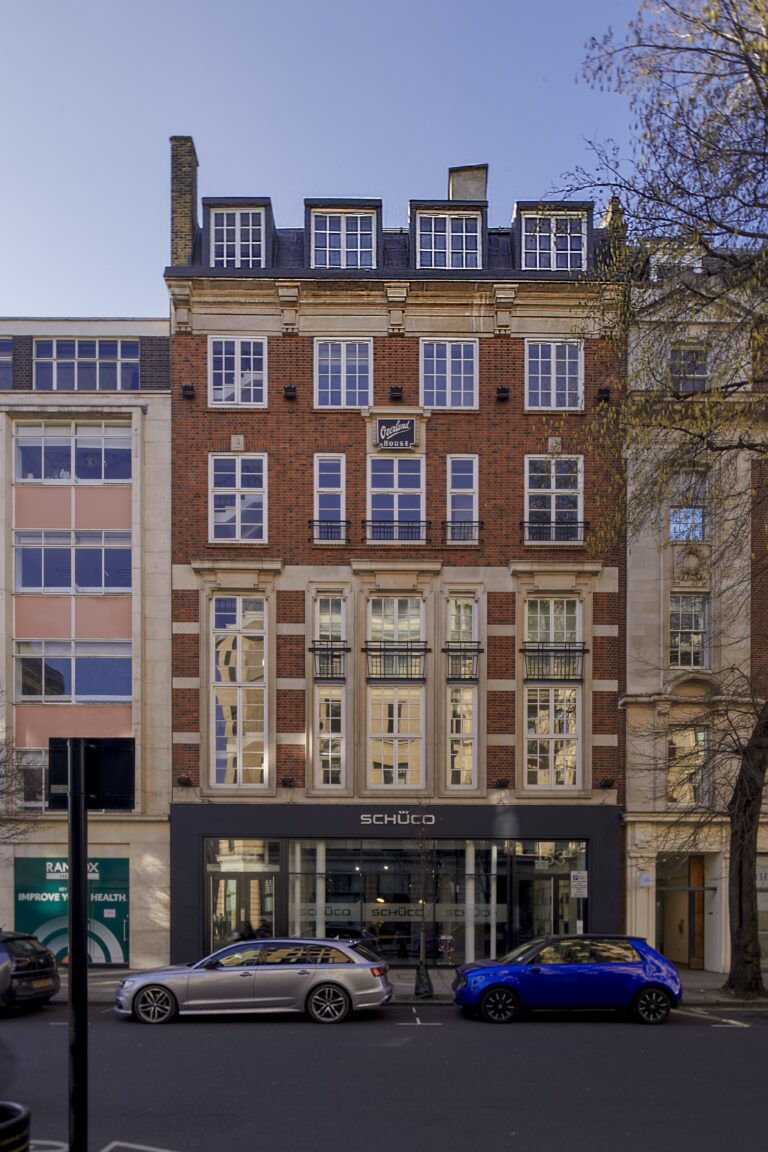
Using art as a connector in Fitzrovia starts with understanding how the neighbourhood already works. Galleries here are not isolated destinations. They sit within walking distance of offices, cafés, and studios, often inside historic buildings that people pass every day (5). This makes art-led engagement feel natural rather than programmed.
This approach becomes even more effective within Fitzrovia’s golden triangle (6), formed by Great Portland Street, Margaret Street, and Mortimer Street. Each corridor supports a different type of business, but all benefit from close access to cultural venues, creative footfall, and a strong local identity. Whether a company is corporate-led, design-focused, or growth-stage, art provides a common language across these different environments.
For businesses looking to embed themselves in Fitzrovia long term, space matters. Being located close to galleries, events, and community activity makes participation easier and more consistent. This is where The Langham Estate plays a key role. As the principal landlord across Fitzrovia’s golden triangle, The Langham Estate offers offices and retail spaces that sit at the heart of the neighbourhood’s cultural and commercial life.
Using art as a connector in Fitzrovia starts with understanding how the neighbourhood already works. Galleries here are not isolated destinations. They sit within walking distance of offices, cafés, and studios, often inside historic buildings that people pass every day (5). This makes art-led engagement feel natural rather than programmed.
This approach becomes even more effective within Fitzrovia’s golden triangle (6), formed by Great Portland Street, Margaret Street, and Mortimer Street. Each corridor supports a different type of business, but all benefit from close access to cultural venues, creative footfall, and a strong local identity. Whether a company is corporate-led, design-focused, or growth-stage, art provides a common language across these different environments.
For businesses looking to embed themselves in Fitzrovia long term, space matters. Being located close to galleries, events, and community activity makes participation easier and more consistent. This is where The Langham Estate plays a key role. As the principal landlord across Fitzrovia’s golden triangle, The Langham Estate offers offices and retail spaces that sit at the heart of the neighbourhood’s cultural and commercial life.
In this article:
(1) What are the benefits of renting commercial space with The Langham Estate?
(2) 1000 square feet commercial spaces in Central London
(3) After-work entertainment: Live music and creative spaces in Central London
(4) Top Oxford Street alternatives to open a shop in Central London
(5) Why Fitzrovia’s historic buildings are perfect for modern creative agencies
(6) Fitzrovia’s ‘Golden Triangle’: Great Portland St., Margaret St., Mortimer St.