Office wellbeing initiatives in Fitzrovia: Creating healthier workspaces for 2026
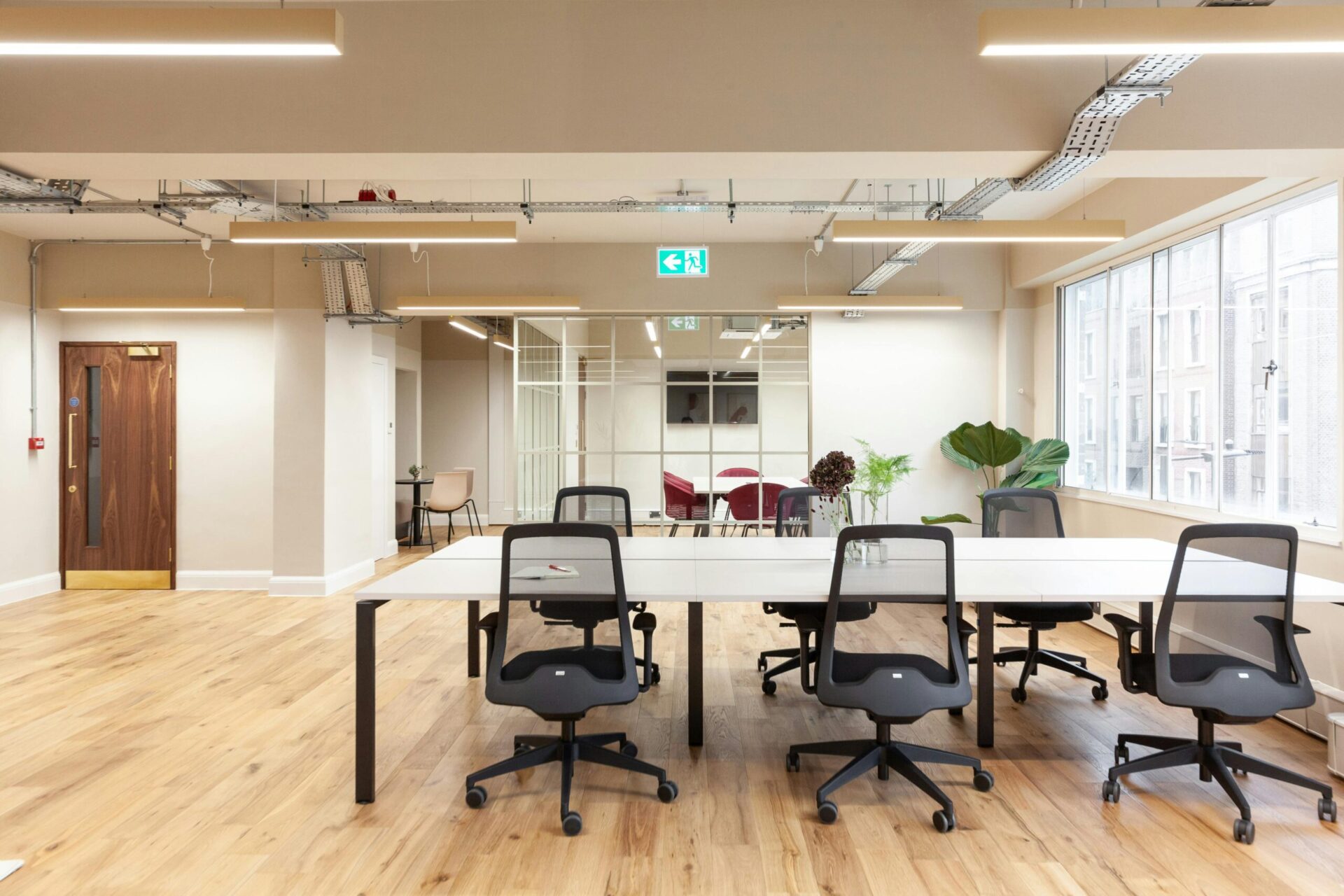
In 2026, office wellbeing initiatives have become a core component of workplace strategy, particularly in forward-thinking districts such as Fitzrovia. As employee expectations evolve and businesses compete for talent, companies are prioritising healthier, more supportive office environments that enhance both performance and retention.
What are office wellbeing initiatives in today’s workplaces?
Office wellbeing initiatives refer to structured actions and long-term strategies designed to support employee health within the workplace environment. Rather than being limited to one-off perks or symbolic benefits, these initiatives are embedded into how offices are designed, managed and experienced daily.
In today’s context, they focus on mental, physical and social wellbeing. This can include workspace design that reduces stress, policies that encourage balance and flexibility, and environments that foster connection and collaboration. The emphasis has shifted from reactive support to proactive wellbeing, positioning the office as a space that actively contributes to healthier, more sustainable performance.

The impact of office wellbeing initiatives on workplace performance
Nearly 47% of UK employers report that actively supporting employee wellbeing has led to measurable improvements in productivity. Healthier employees tend to demonstrate stronger focus, higher engagement and greater resilience under pressure, all of which contribute directly to organisational performance.
Retention outcomes are also influenced. Companies with effective wellness programmes report significantly lower levels of voluntary attrition compared with those without structured wellbeing strategies. In addition, 89% of employees at organisations that support wellbeing initiatives say they are more likely to recommend their company as a good place to work. Together, these indicators show that wellbeing is no longer a peripheral HR concern, but a driver of performance, stability and employer reputation.
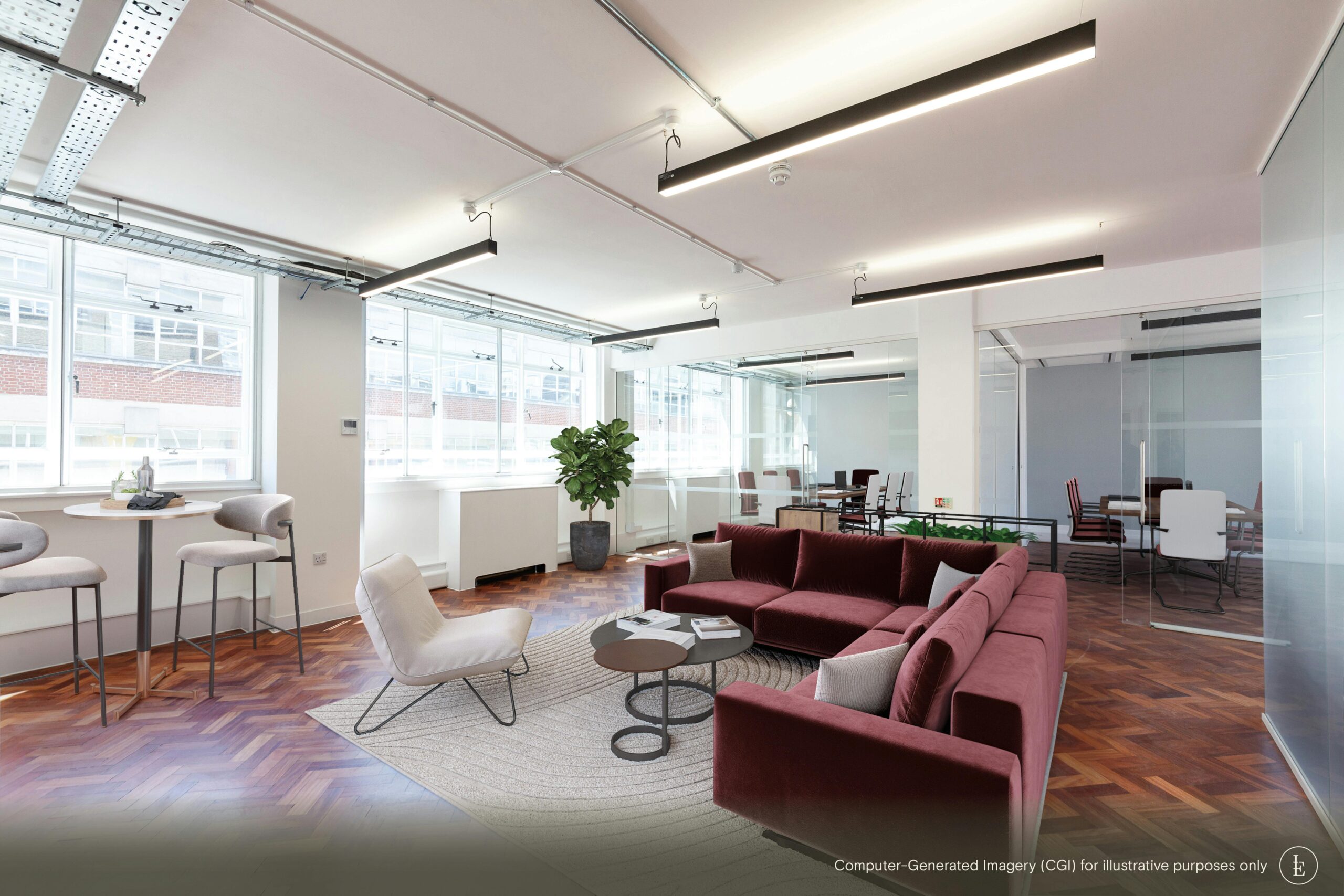
How offices in Fitzrovia support wellbeing initiatives
1. Mental well-being and stress reduction initiatives
Across Fitzrovia, office buildings themselves are increasingly designed to support mental well-being and stress reduction. Rather than relying solely on occupiers to implement internal programmes, many landlords integrate trained support resources at the building level, such as access to wellbeing partnerships, on-site management teams trained in occupier support, and curated community initiatives that promote healthier working patterns.
The physical environment also plays a central role. Quiet and focus zones are incorporated into floor layouts to provide respite from open-plan intensity, while shared breakout areas within buildings encourage short, restorative pauses during the working day. These spaces allow professionals to decompress without leaving the premises, reducing stress accumulation and supporting sustained concentration in a fast-paced Central London setting.

2. Physical well-being in office design
Physical well-being is increasingly embedded into the design of Fitzrovia office spaces. At The Langham Estate, buildings such as Gilmoora House incorporate practical features that support active commuting, including secure bicycle storage and shower facilities. These amenities make cycling or walking to work a realistic option for professionals, contributing to healthier daily routines and reduced reliance on passive travel.
Inside the workplace, ergonomic layouts and adaptable configurations further enhance physical comfort. Fitted office options allow businesses to move into thoughtfully planned spaces that support posture, circulation and day-to-day usability, while flexible floorplates can be tailored to evolving team needs. Generous natural light and attention to thermal and acoustic comfort help create environments that feel balanced and sustainable for long working hours, reinforcing both employee wellbeing and long-term productivity.
3. Social and community-focused initiatives
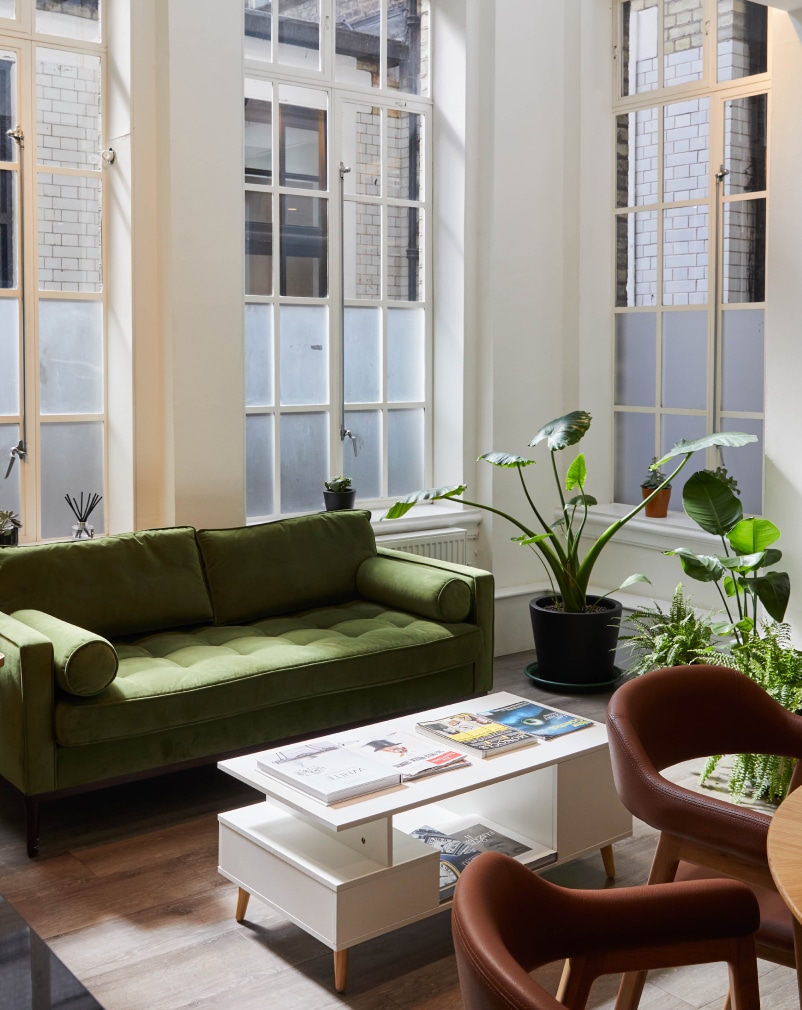
Beyond individual wellbeing, Fitzrovia offices are designed to encourage social connection and a sense of belonging. Shared amenities and communal areas within buildings provide natural opportunities for informal interaction, collaboration and relationship-building across teams. These spaces support a workplace culture where communication feels organic rather than forced, contributing to stronger internal networks and employee engagement.
At a neighbourhood level, The Langham Estate actively supports tenant engagement and placemaking through Fitzrovia Quarter. By curating local events, promoting independent businesses and enhancing the public realm, the Estate helps foster meaningful connections between occupiers and the surrounding area. This integration of workspace and neighbourhood strengthens corporate culture while positioning Fitzrovia as more than just a business address.
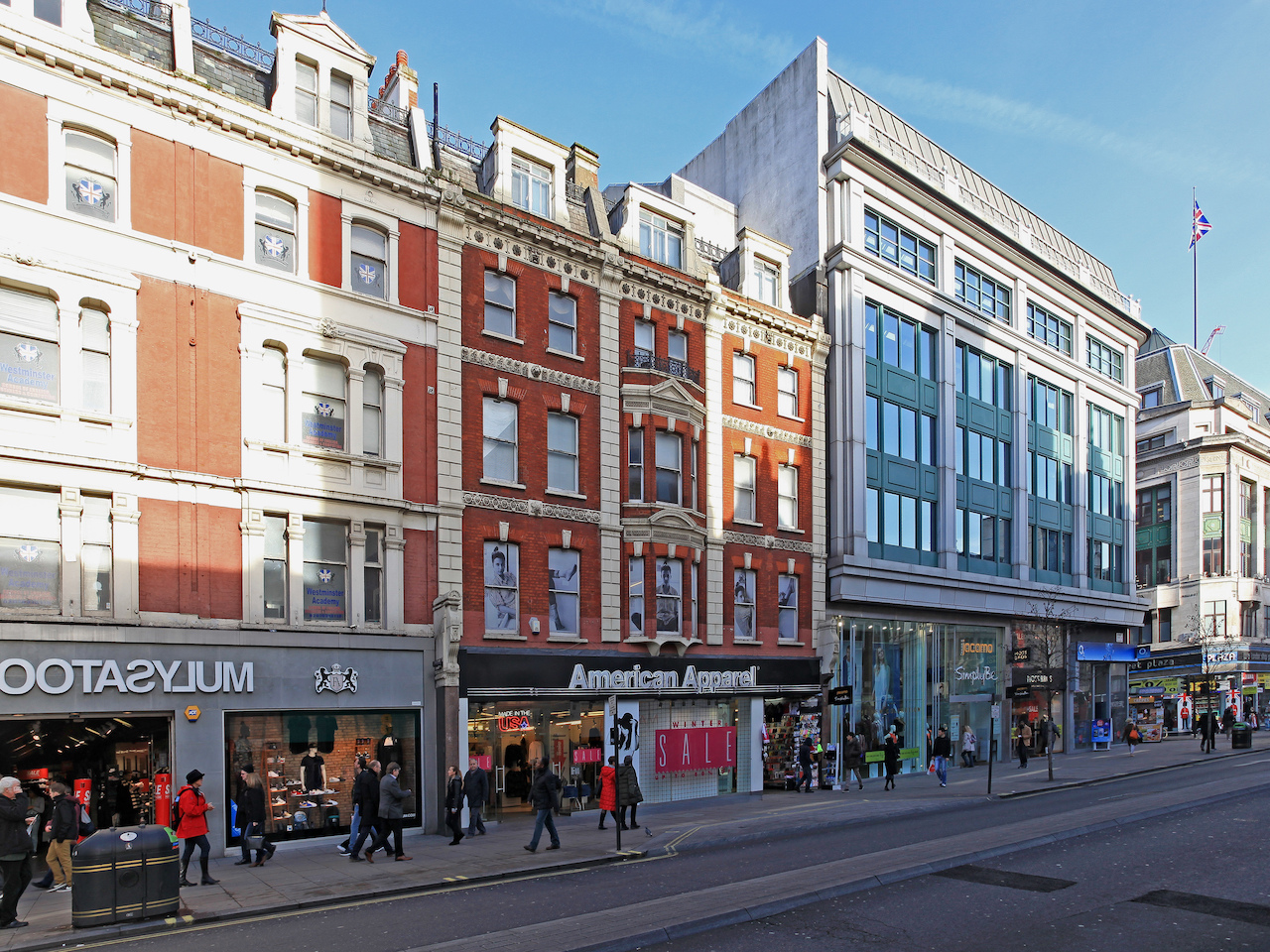
Budgeting & ROI framework for decision strategies
1. Typical cost categories for wellbeing initiatives
Design and infrastructure: Costs relate to physical upgrades such as ergonomic furniture, quiet zones, breakout areas, shower and bike facilities, and biophilic elements. Many Fitzrovia offices already incorporate these features, helping reduce upfront capital investment for occupiers.
Program implementation: This includes mental health support, employee assistance programmes, and wellbeing-focused events. Annual costs typically range from $200–$400 per employee, depending on scope and level of support.
Employee engagement and incentive schemes: To encourage participation and sustain long-term impact, companies can allocate budget for small incentives such as gift cards, company merchandise, recognition programmes, bonus-point systems, or team-based challenges. While relatively low-cost, these initiatives can significantly increase engagement rates and reinforce a culture of appreciation.
2. ROI framework and key metrics
An ROI framework provides a structured way to assess whether office wellbeing initiatives deliver measurable business value. The standard formula is:
ROI = (Net Financial Benefits – Programme Costs) / Programme Costs × 100
To evaluate performance effectively, organisations should track clear, quantifiable indicators, including:
Reduced absenteeism and presenteeism: Track changes in sick leave frequency and duration, as well as levels of disengagement while at work. A sustained reduction can signal improved physical and mental health across the workforce.
Turnover and retention rates: Compare voluntary attrition before and after implementing wellbeing strategies. Improved retention reduces recruitment and onboarding costs while preserving institutional knowledge.
Productivity gains: Measure output, project delivery timelines, and team performance indicators. Increases in efficiency or quality of work provide tangible evidence that wellbeing initiatives are supporting stronger overall performance.
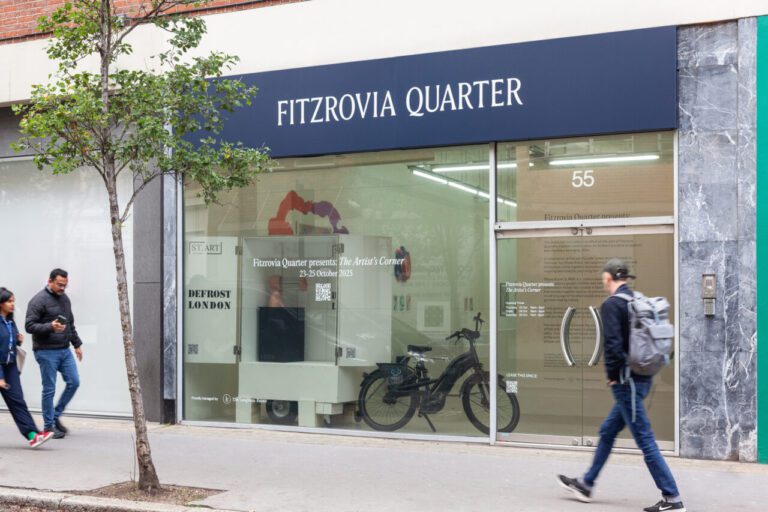
A closer look at well-being office spaces in Fitzrovia
Fitzrovia’s office environment reflects a growing commitment to structured office wellbeing initiatives, combining thoughtful design and practical facilities placemaking. Through the wider Fitzrovia Quarter, occupiers also benefit from a neighbourhood ecosystem that encourages connection, walkability and access to wellness-focused amenities.
Fitzrovia’s office environment reflects a growing commitment to structured office wellbeing initiatives, combining thoughtful design and practical facilities placemaking. Through the wider Fitzrovia Quarter, occupiers also benefit from a neighbourhood ecosystem that encourages connection, walkability and access to wellness-focused amenities.